
Wild Camping in the UK – A Practical Guide to Mountain Backpacking
Wild camping in the UK allows walkers to travel further into remote landscapes and spend a night in the hills rather than simply passing through them. This practical guide explains how to plan a mountain backpacking trip, choose reliable equipment, find water, select a good pitch, sleep well in the hills and camp responsibly in upland terrain.
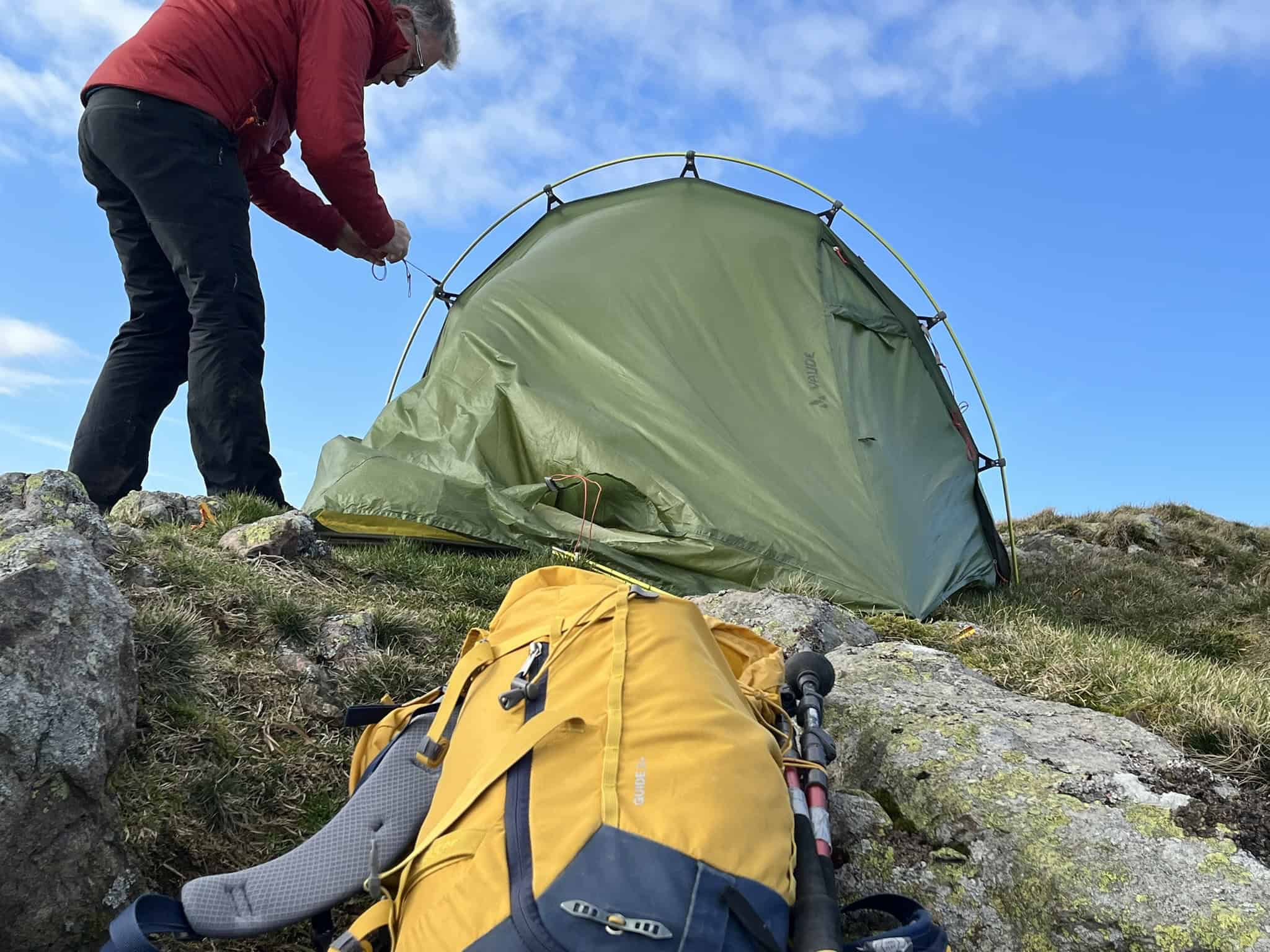
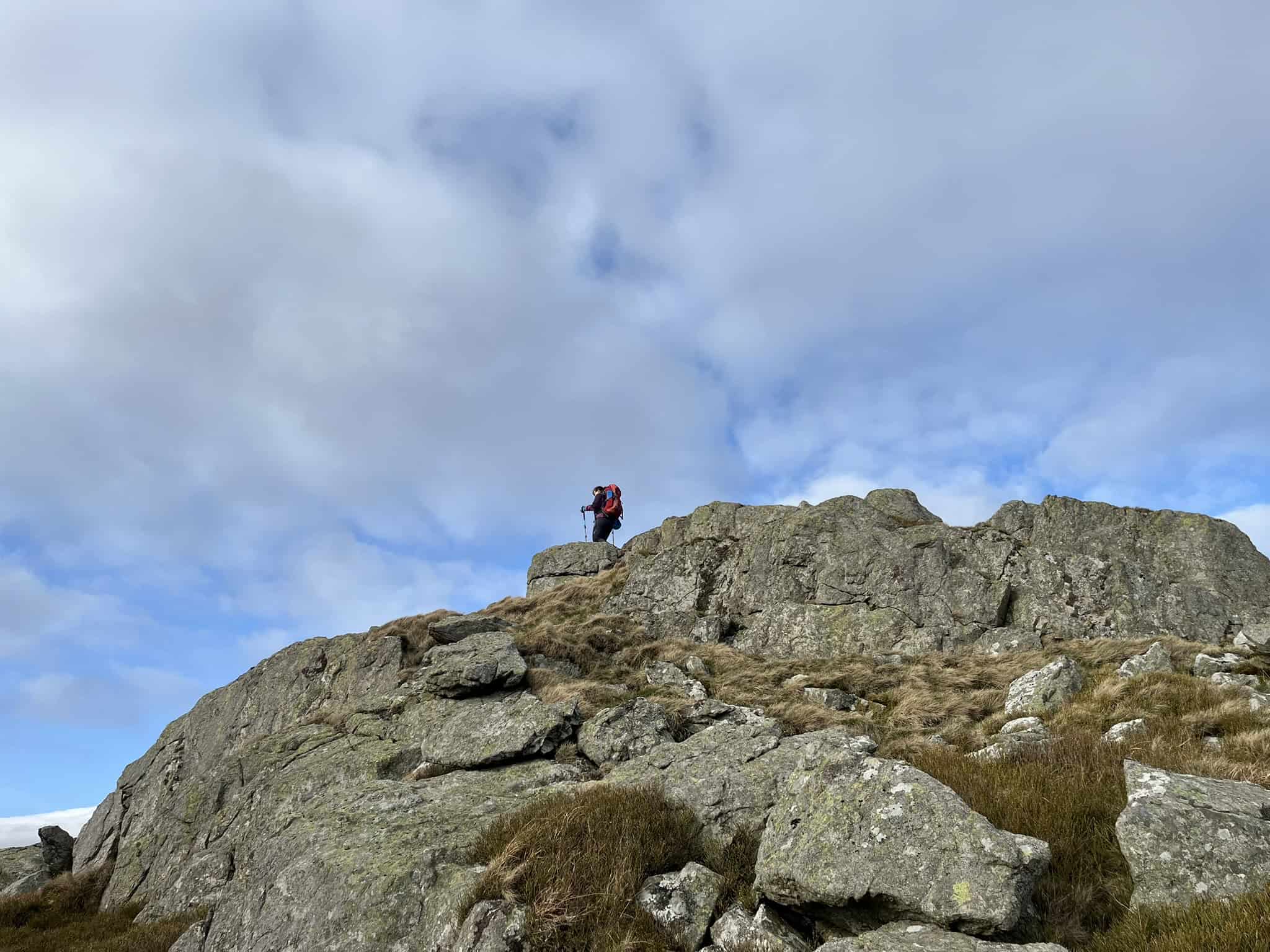
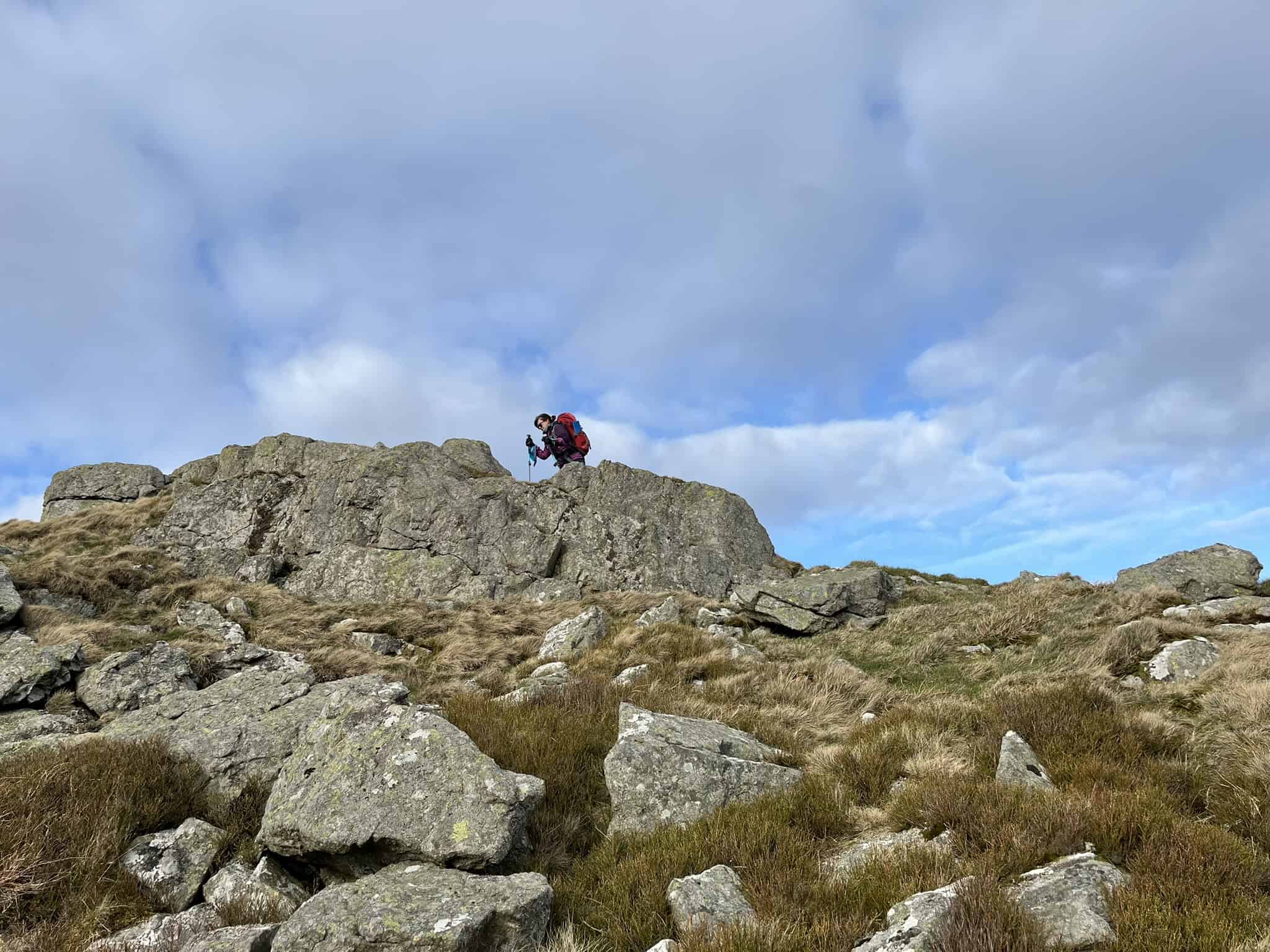
Wild camping in the mountains sits somewhere between traditional camping and expedition travel. Instead of returning to the valley at the end of the day, you carry your shelter, sleeping system, spare clothing, food and water kit with you. That simple change alters how the hills feel. The landscape stops being somewhere you visit for a few hours and becomes somewhere you spend time properly.
For many walkers, mountain backpacking is one of the most rewarding ways to experience the UK uplands. It slows everything down. Distance matters less. Pace, weather, route choice and campcraft matter more. You begin to think carefully about where water will come from, how the wind will affect camp, what terrain will feel like with a loaded rucksack and where you want to wake up the following morning.
This is also why wild camping develops mountain skills so effectively. Navigation becomes more purposeful. Packing choices matter. Shelter choice matters. Judgement matters. A comfortable night in the hills is rarely the result of luck. It is usually the result of simple decisions made well and made early enough.
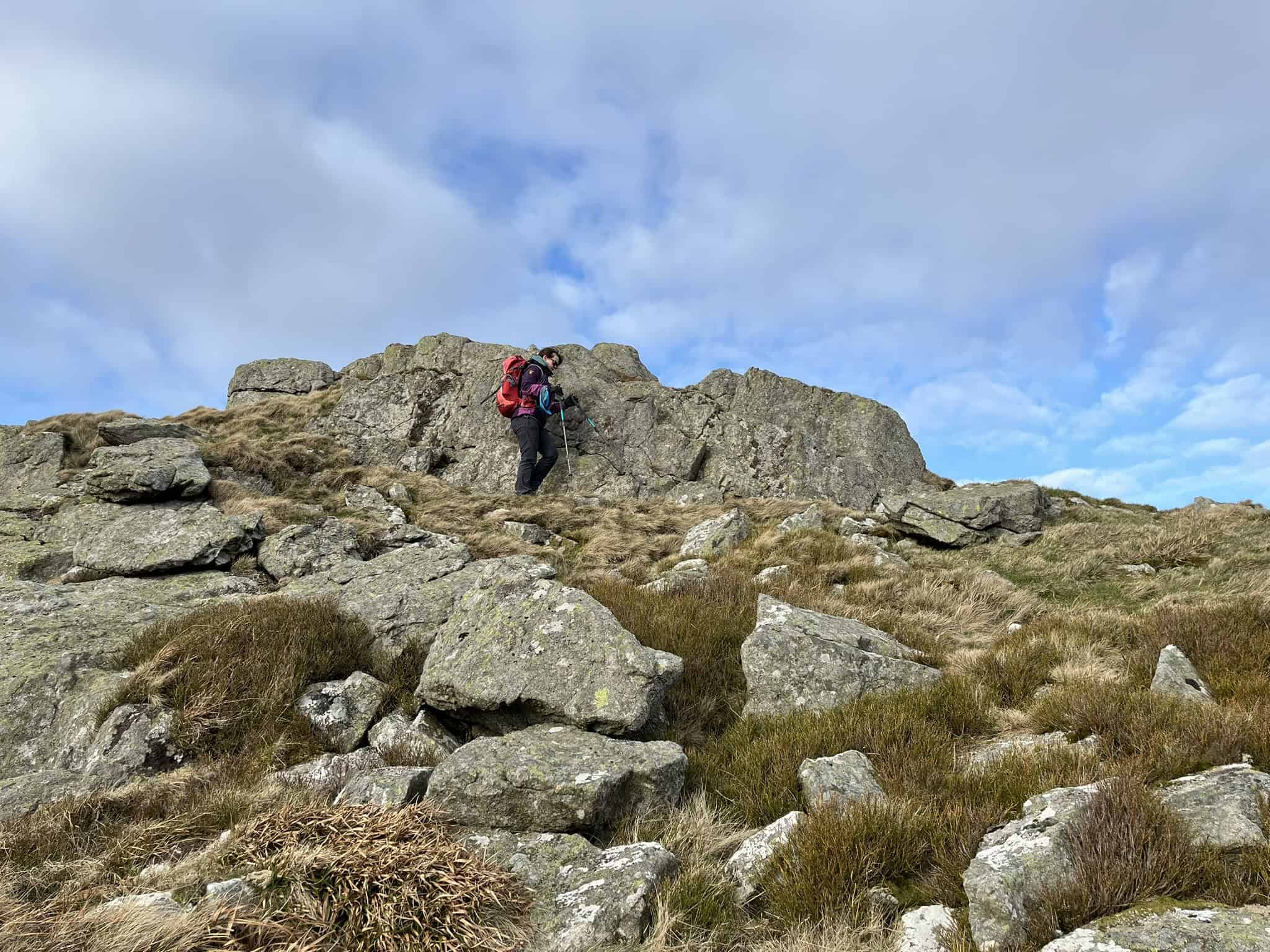
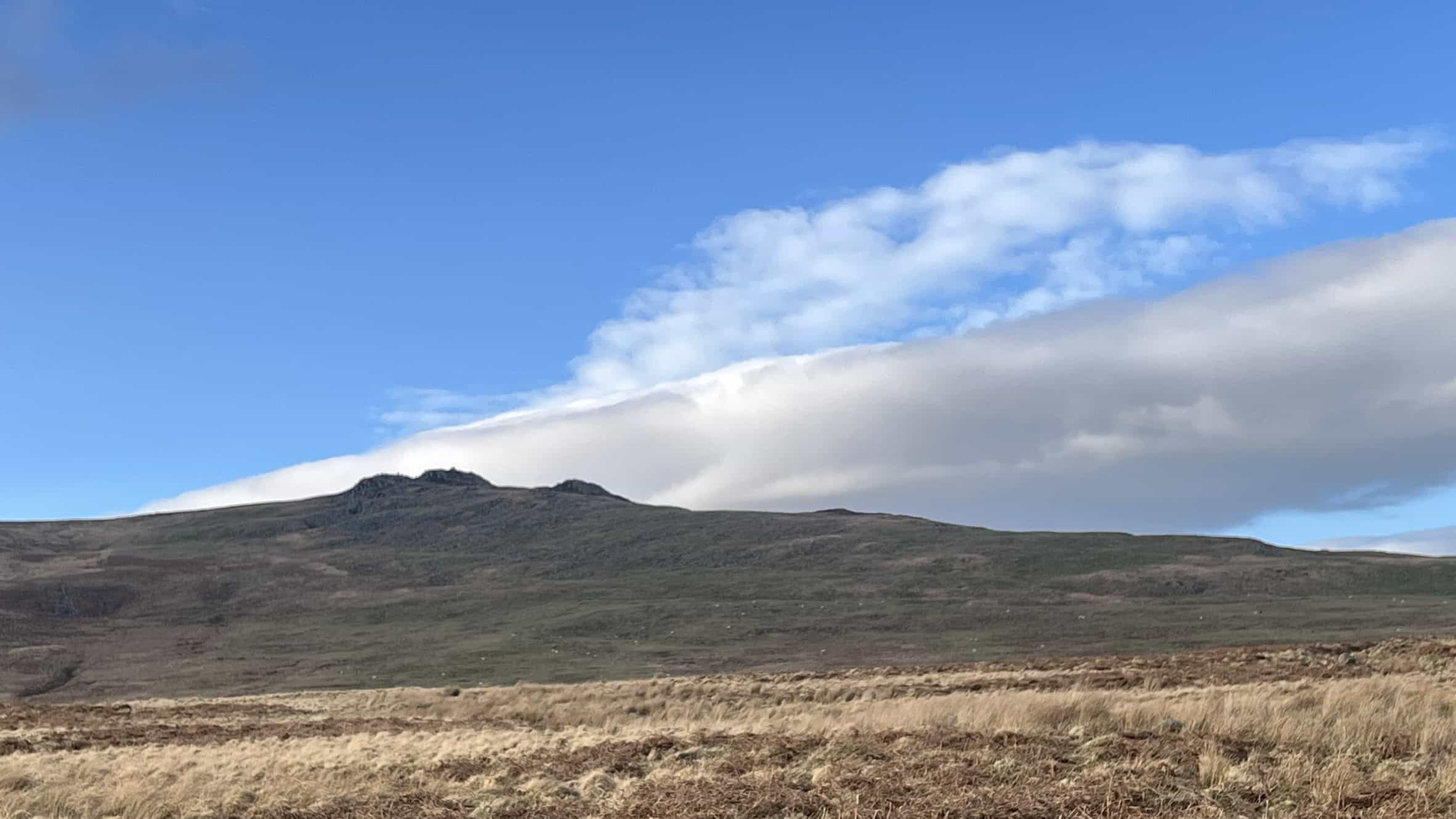
If you want to go deeper into the practical side of overnight travel, the Peak Adventures Journal also includes guides on wild camping skills, mountain skills, equipment and kit and expedition planning.
In this guide
What Wild Camping Means in the UK
Wild camping usually means lightweight, low-impact overnight camping away from formal campsites. In practice that means carrying a tent or shelter, sleeping bag, insulated mat, stove, food and spare clothing in a single rucksack and choosing a discreet place to stop for the night. The point is not to create a large camp. It is to travel simply through the landscape and leave very little sign behind.
The legal position varies across the UK. In Scotland, responsible access rights broadly support low-impact wild camping on unenclosed land. In England and Wales, the picture is more limited and more nuanced. In practical mountain terms, though, the same ethic applies everywhere: stay away from roads and buildings, pitch late, leave early, keep groups small and leave the ground exactly as you found it.
This distinction matters because good wild camping depends on discretion and restraint. Big obvious camps, noise, litter, fire scars and poor hygiene all damage fragile places and undermine the culture that backpackers rely on. The strongest camps are often the ones that feel calm, quiet and almost invisible.
Key point
Wild camping is not just sleeping outdoors. It is a way of travelling through the mountains that depends on simplicity, good judgement and very low impact.
How to Plan a Wild Camping Trip in the UK
Planning is one of the most important parts of mountain backpacking. Carrying overnight equipment changes pace and changes how terrain feels underfoot. A route that looks straightforward on the map can feel very different when you are carrying shelter, food and sleeping gear for the night. Distances often need to be shorter than you might choose for a normal day walk.
Good planning means allowing enough time to identify suitable campsites, fetch water, organise gear and still have margin left if conditions change. It also means thinking in alternatives. Where could you shorten the route if progress is slower than expected? Where could you descend if the weather deteriorates? Which areas are likely to offer sheltered camp options if the wind is stronger than forecast?
Forecasts should always be checked, but forecasts need interpreting rather than simply reading. Wind direction may matter as much as wind speed. Persistent rain can change the feel of an entire route. Low cloud can make open plateaux much more committing. The best plans are flexible plans.
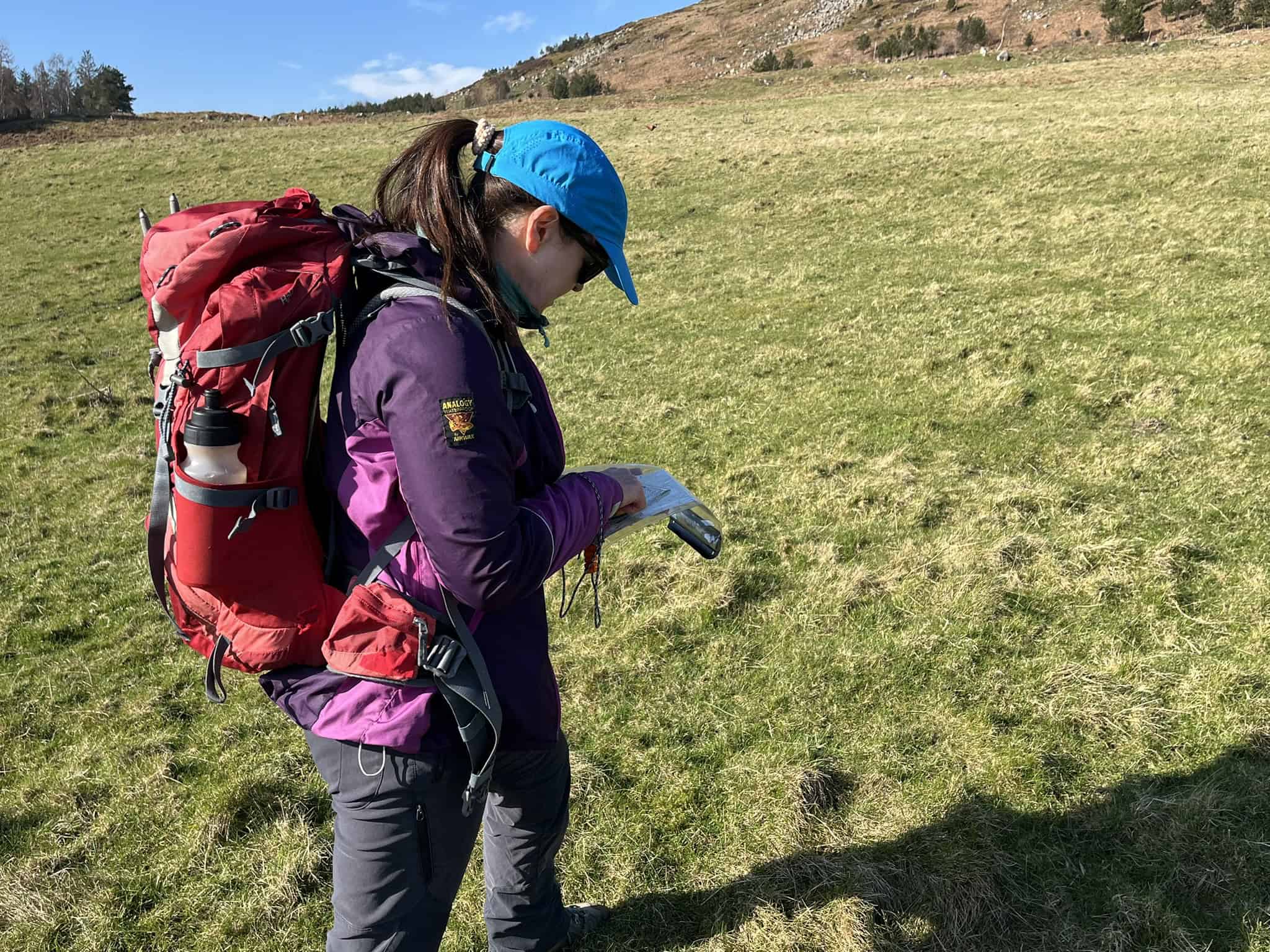
If you are still building confidence, choose shorter routes in straightforward terrain and stable weather. A calm, successful overnight trip teaches more than an ambitious plan that becomes a struggle.
Essential Wild Camping Equipment
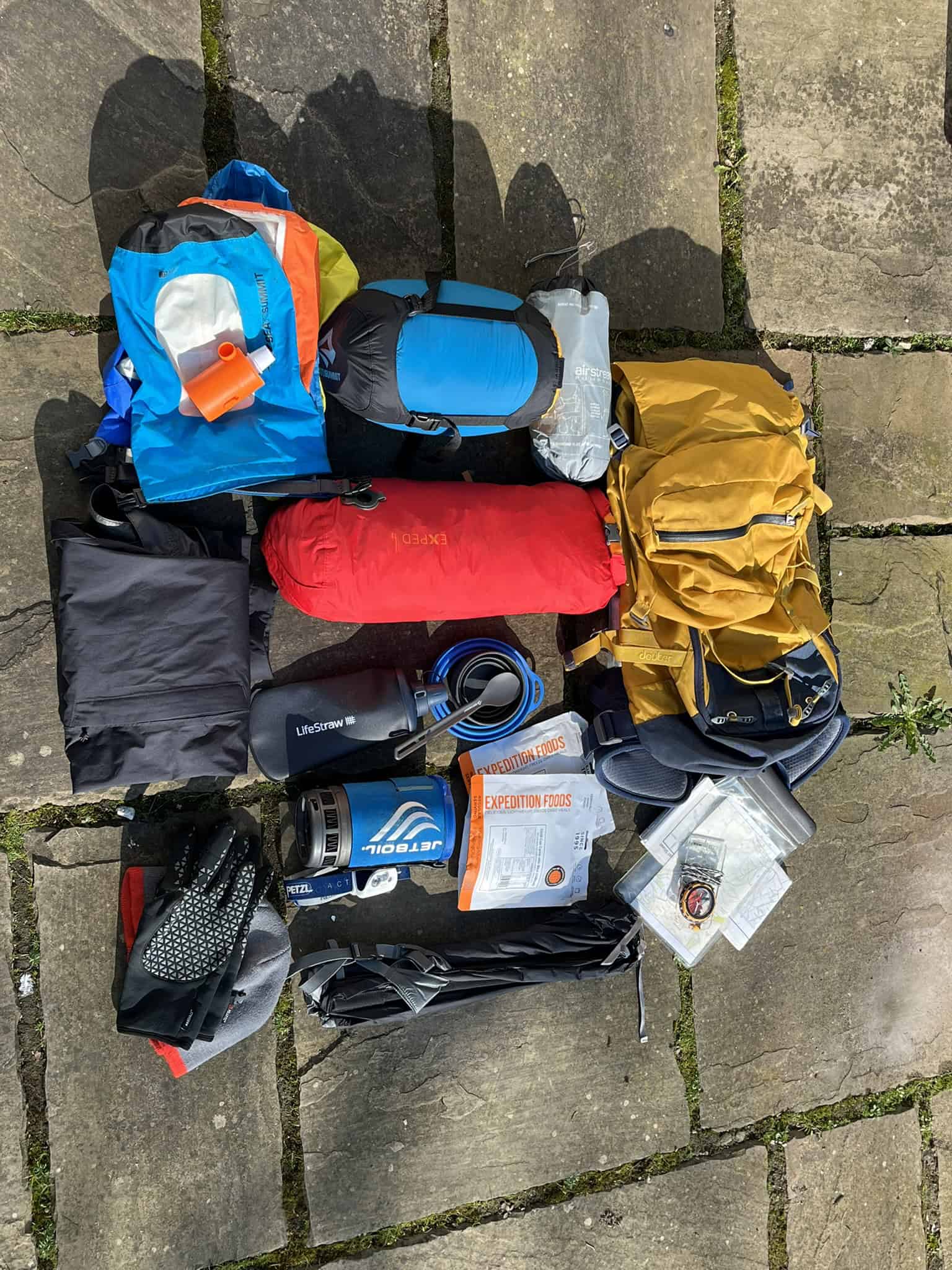
Wild camping equipment works best when viewed as a complete system rather than a list of separate purchases. Shelter, sleeping kit, stove, waterproofs, spare warm layers, food and navigation tools all interact. A lightweight tent is of limited value if the sleeping mat is too cold, the stove is unreliable or the rucksack does not carry the load comfortably.
Weight matters, but reliability matters more. Equipment that works consistently in poor weather is far more valuable than gear that saves a small amount of weight but struggles when conditions become uncomfortable. Backpackers often refine their systems over time, gradually removing unnecessary items and improving how the essentials work together.
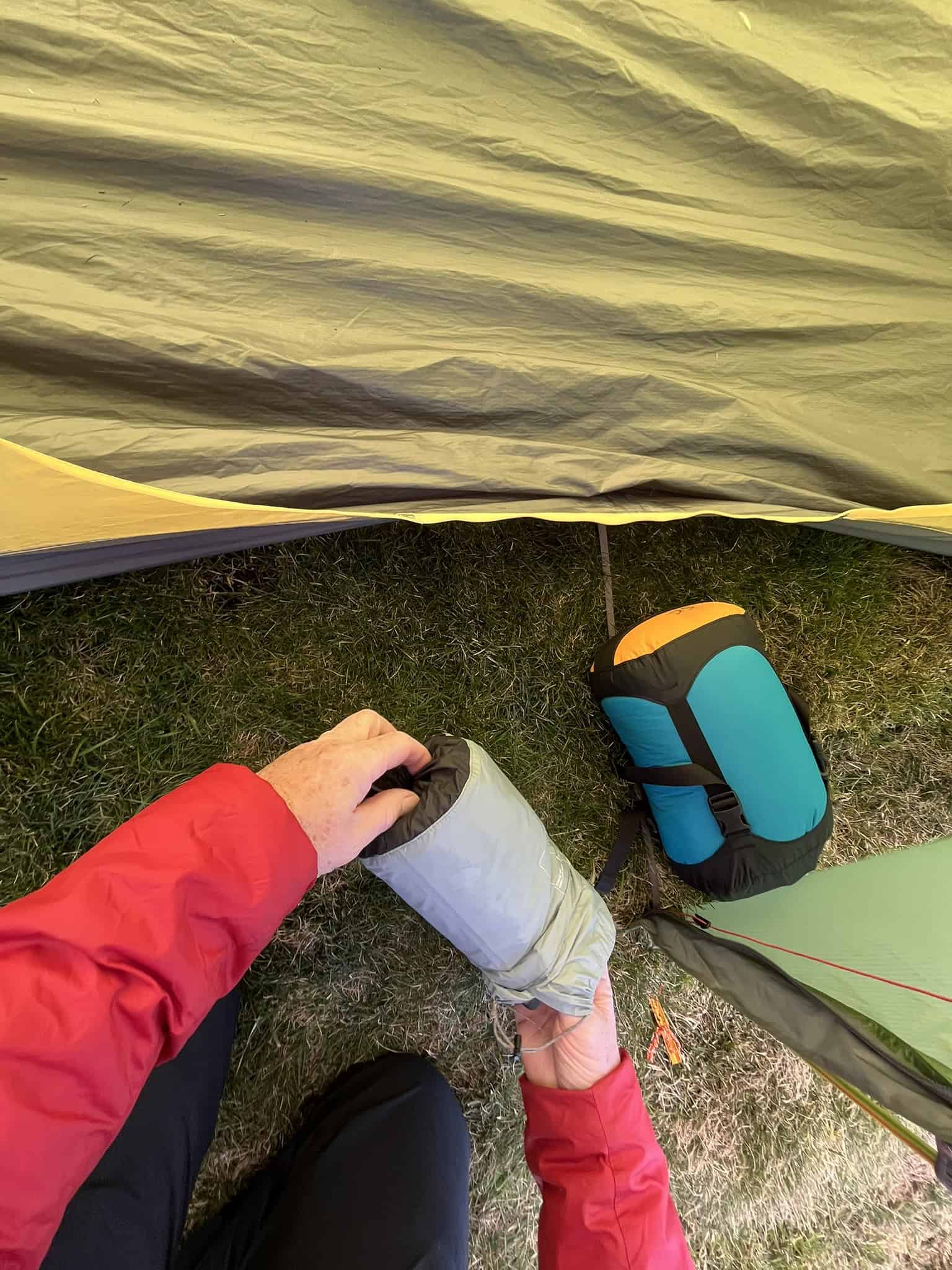
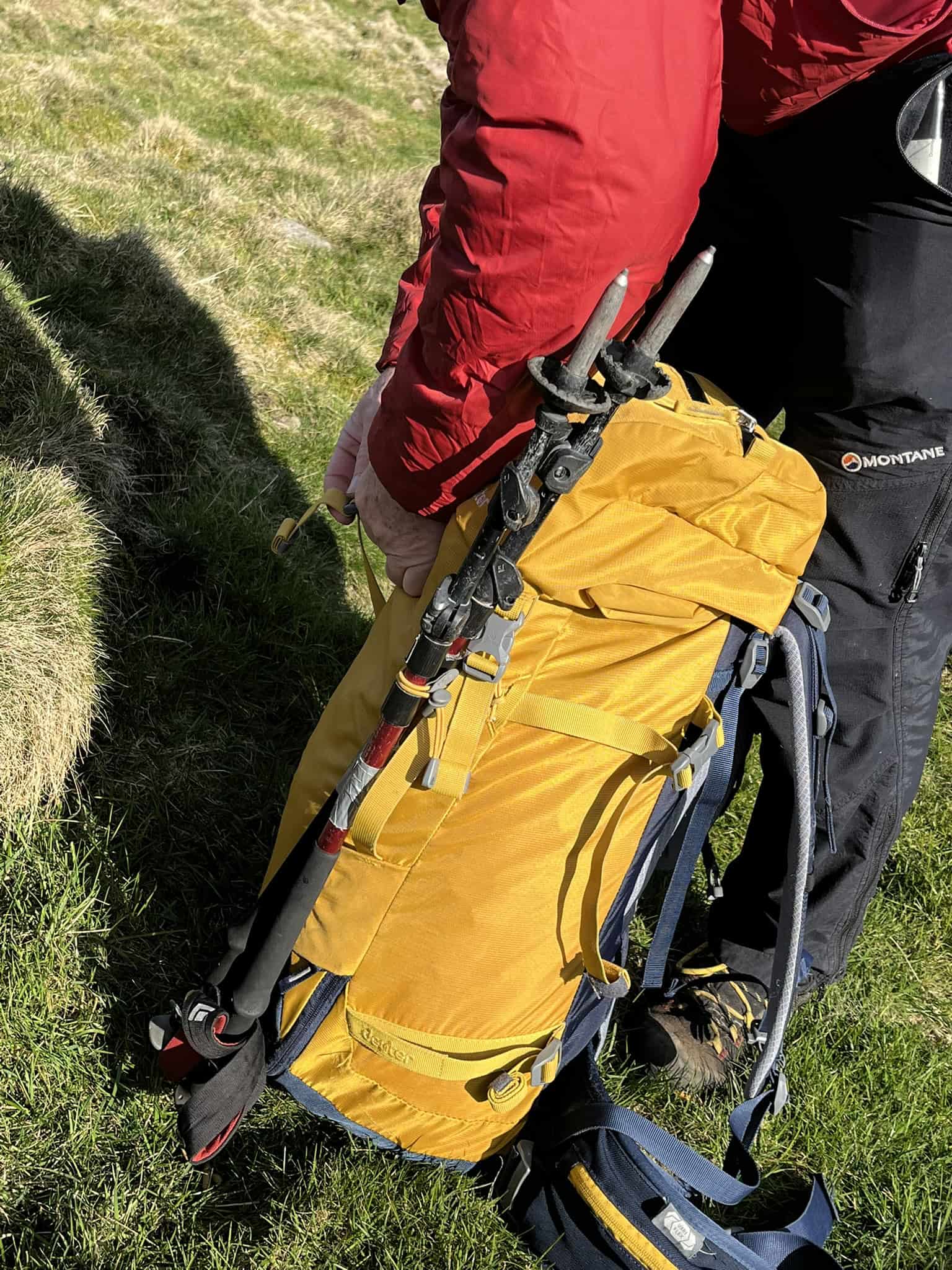
Packing matters too. Heavier items are usually best placed close to the spine and around the middle of the pack. Items likely to be needed during the day, such as waterproofs, insulation, food and navigation tools, should be easy to reach. Dry bags or a pack liner help protect sleeping kit and spare layers from rain.
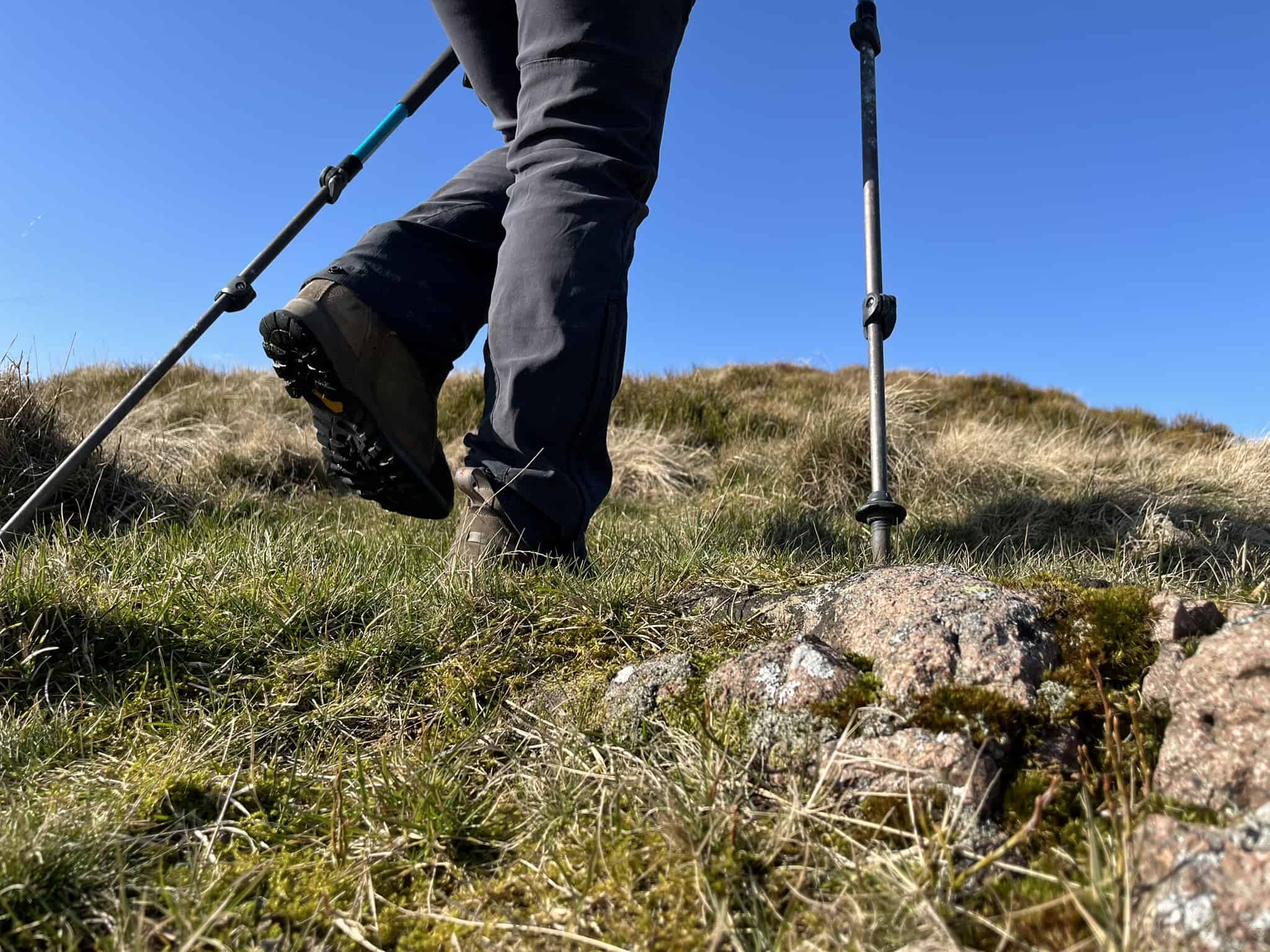
For more detailed discussions around shelter systems, clothing choices and practical setups, see the Equipment & Kit category and the wider Wild Camping Skills section.
Navigation and Route Choice for Backpacking Trips
Navigation becomes more important on overnight trips because route choice influences not only where you travel but how tired you feel, where you are likely to find campable ground and how easy it will be to adapt if conditions change. Steep sections, boulder fields, tussocky ground and deep peat can all feel significantly slower with a loaded rucksack.
Strong route choice often looks less dramatic than weak route choice. Clear terrain features, sensible escape options and likely camp areas usually matter more than trying to squeeze too much into one outing. Digital mapping is useful, but traditional map and compass skills remain one of the most valuable foundations for remote travel, particularly when batteries fail or visibility deteriorates.
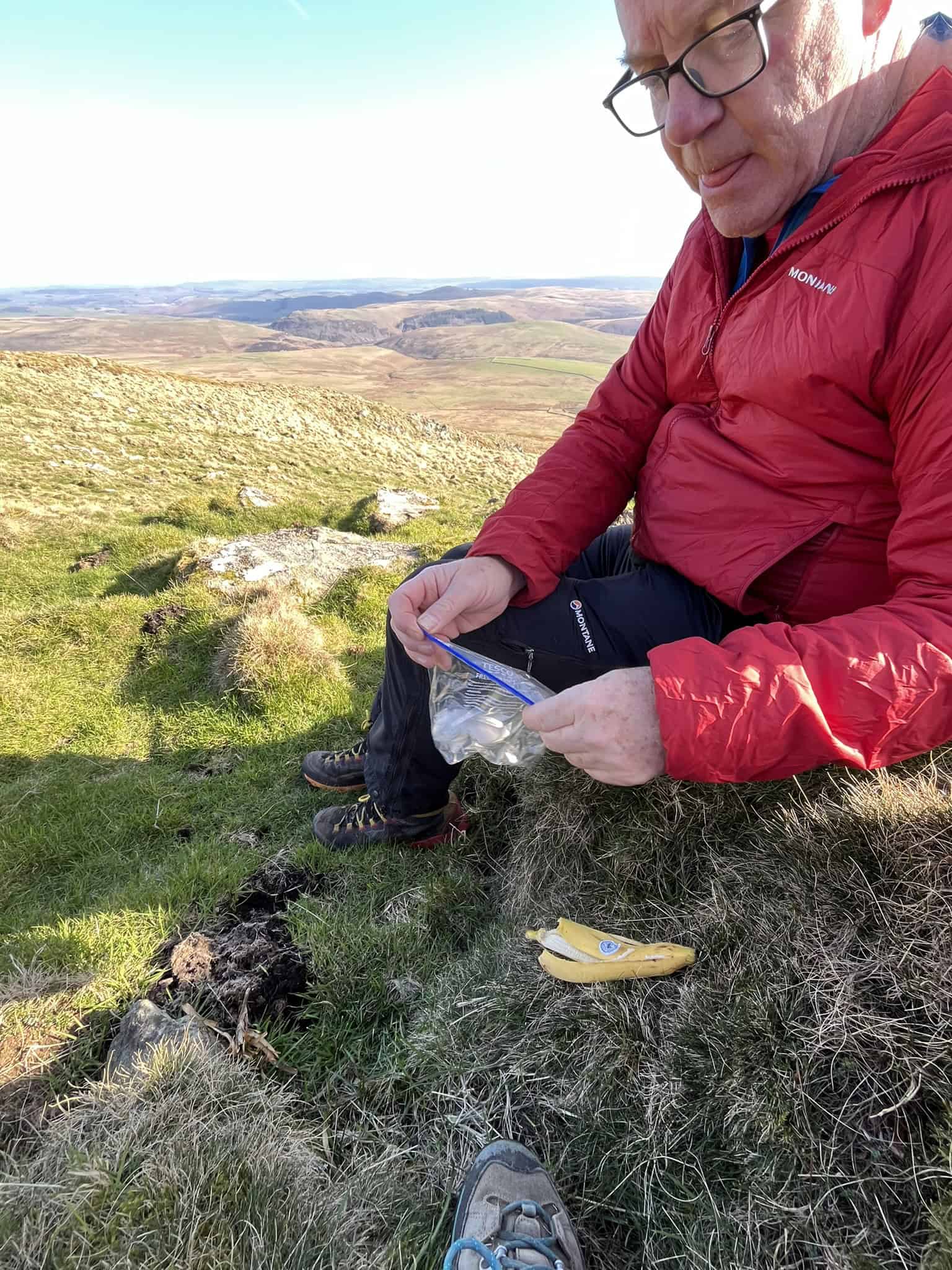
If navigation is a skill you are actively developing, the Mountain Skills articles are a useful companion to this guide.
Finding Water While Wild Camping
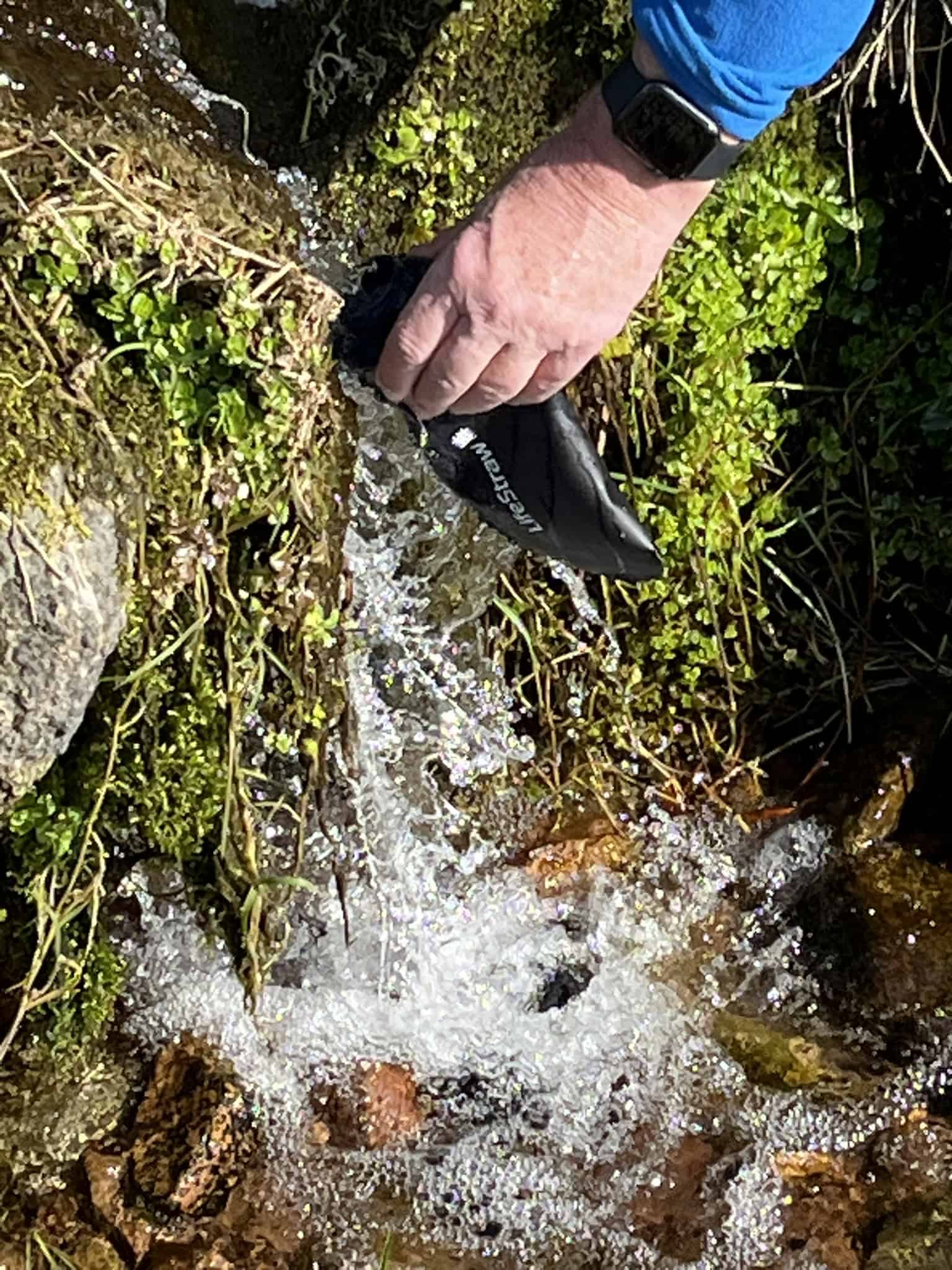
Water planning is one of the most practical parts of backpacking. In many upland areas of the UK, streams and springs provide regular opportunities to refill, but not every source is equally suitable. The best sources are usually clean, flowing and located high enough to reduce the influence of grazing and lower ground contamination.
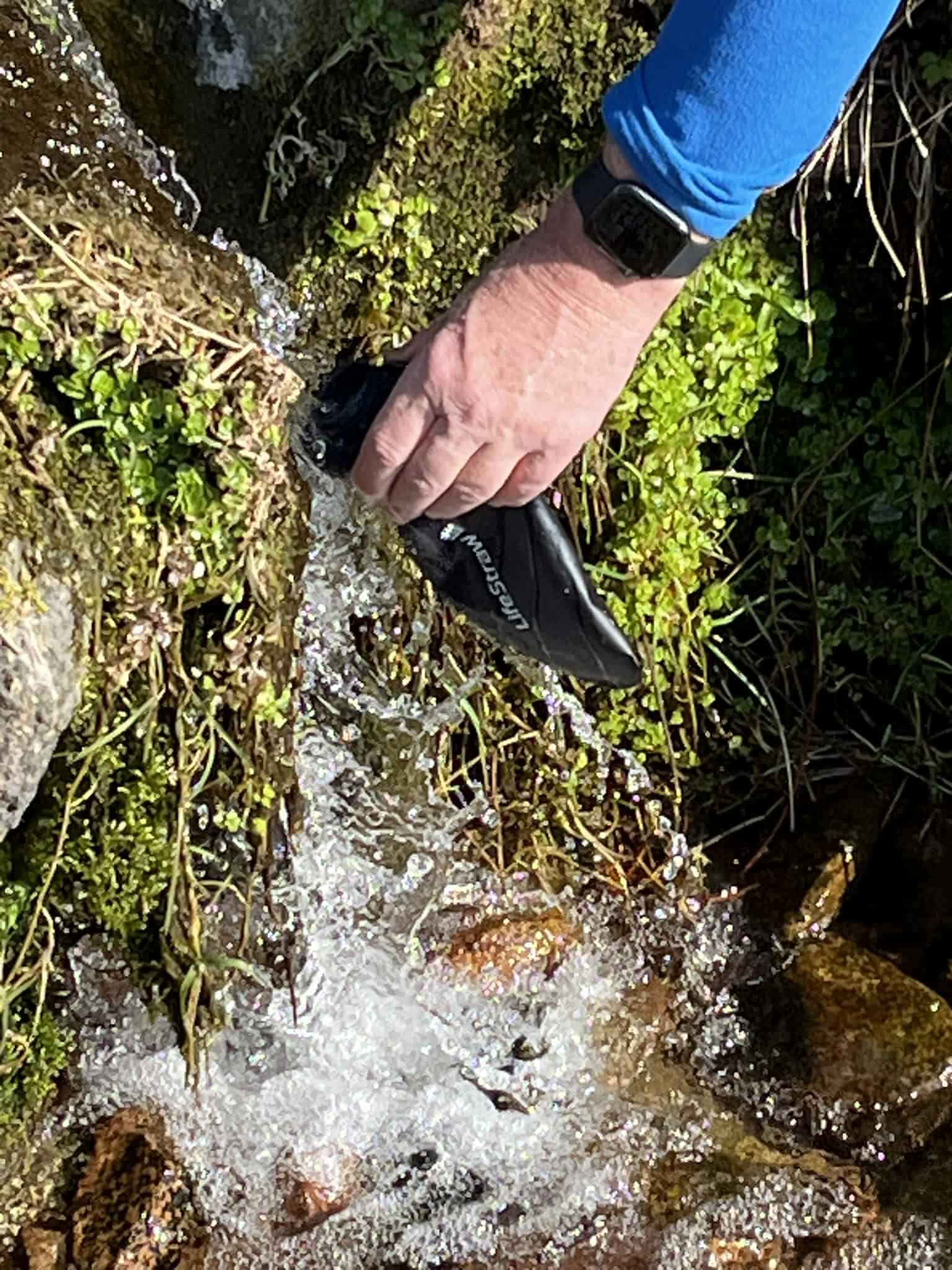
Compact water filters make this much easier. They allow you to collect from suitable sources and reduce the need to carry excessive weight between refills. Even with a filter, though, judgement still matters. In dry weather, broad high ground may offer fewer reliable sources than expected, and poor campsite choice can create an unnecessary extra walk for water late in the day.
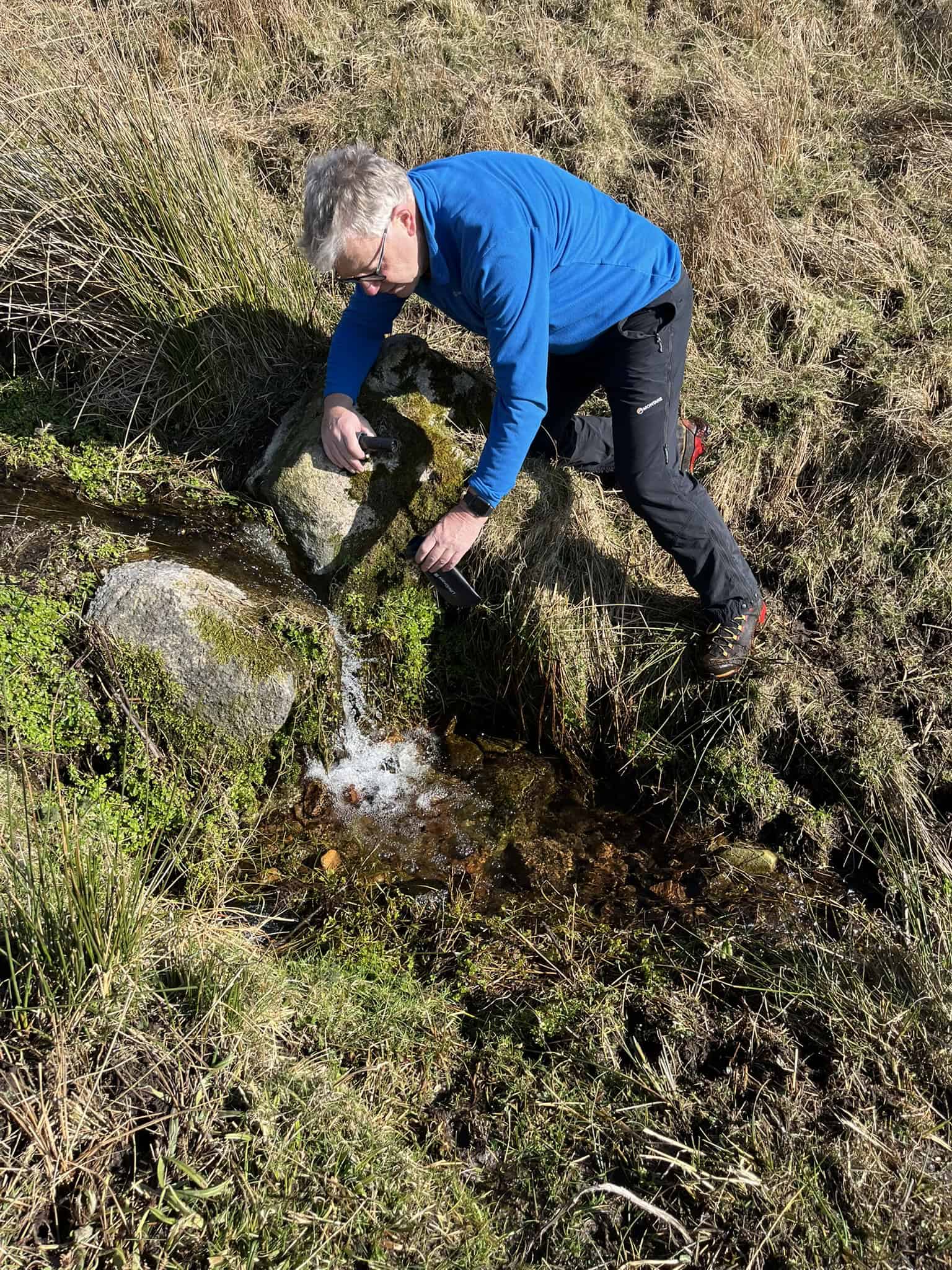
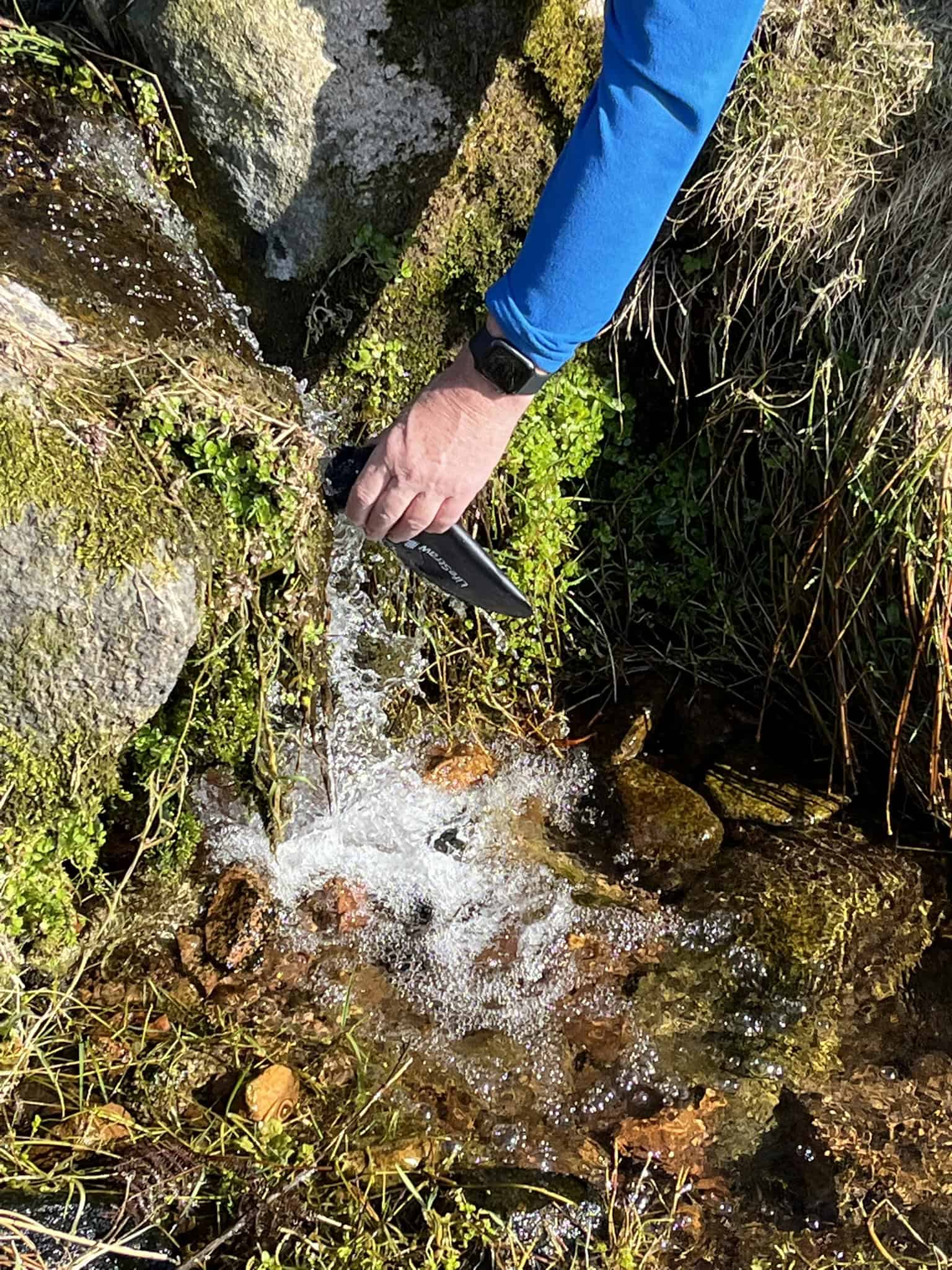
Good hydration systems do not need to be complicated. They simply need to be dependable enough that water stops become part of the natural rhythm of the day rather than a problem to solve late on.
Backpacking Food Systems and Camp Routine
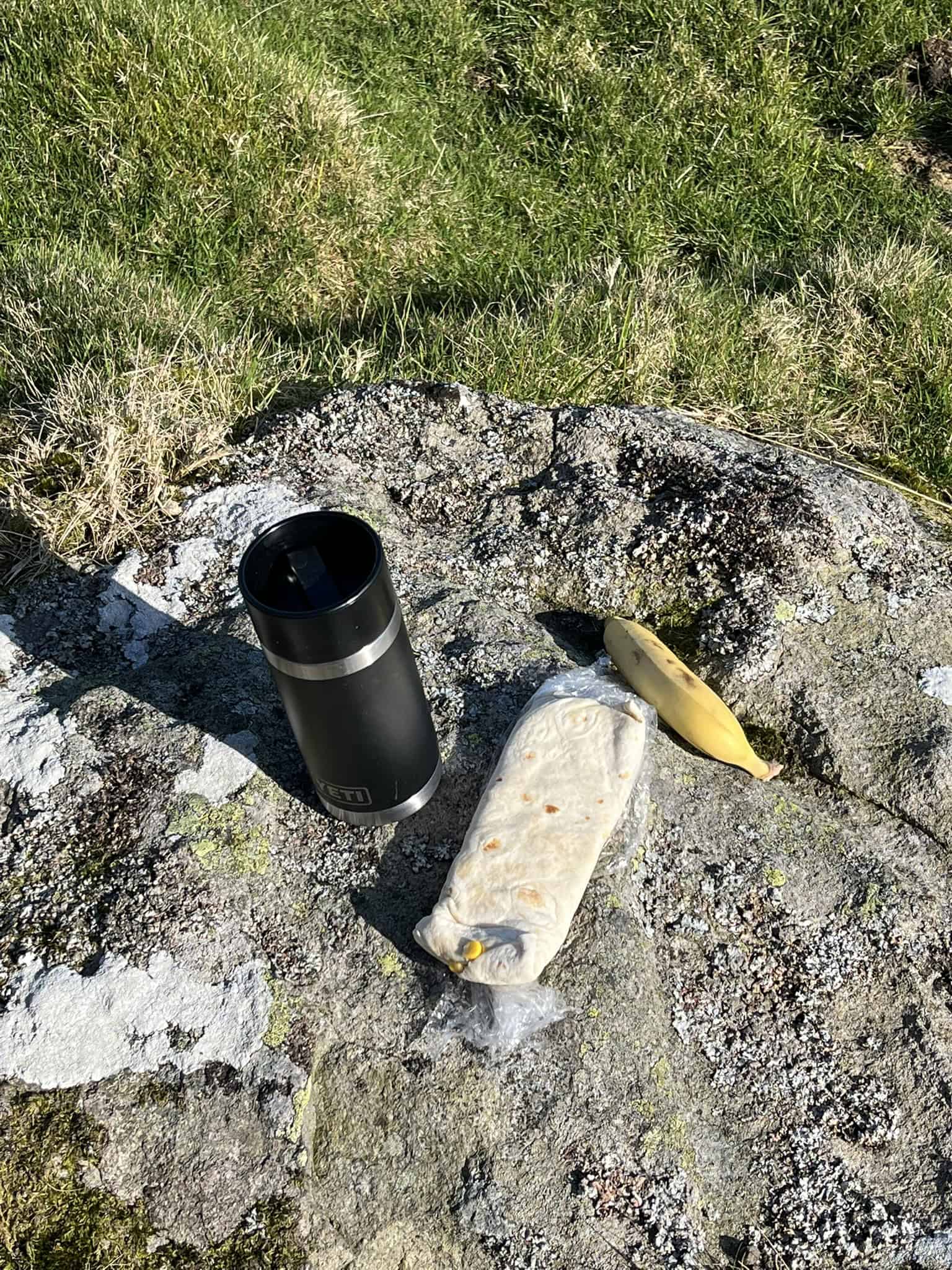
Food on wild camping trips usually works best when it is simple. During the day, regular snacks and quick lunches help maintain a steady pace without long stops. In camp, most people want something warm, filling and straightforward to prepare. The aim is not culinary variety. It is a reliable, easy system that supports the walk and the evening routine.
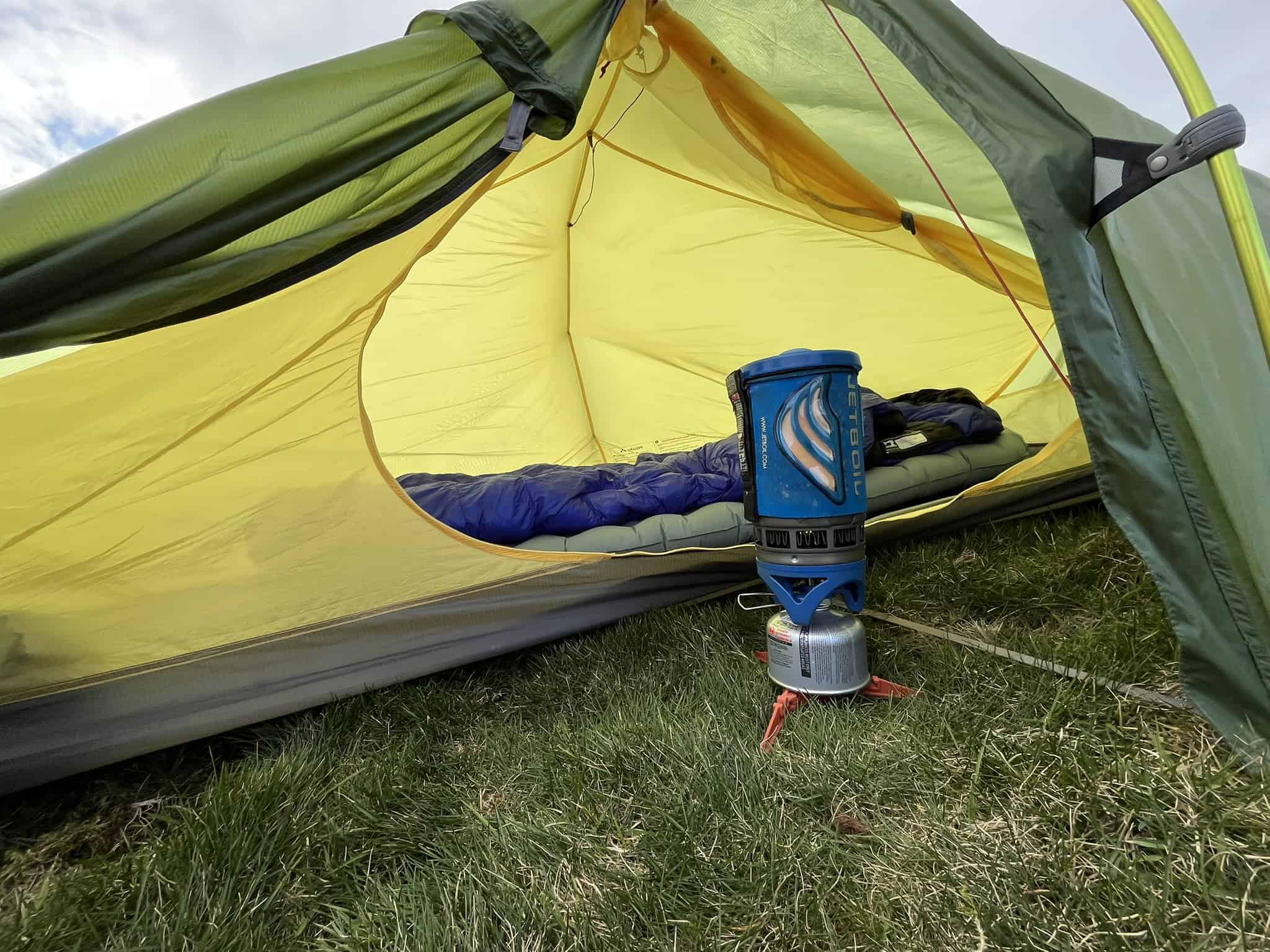
Camp routine matters more than it first appears. A small stove, organised food, dry layers and a straightforward cooking system all help the evening feel calm rather than chaotic. Pitch the shelter, sort water, organise the sleep kit, cook, repack a few essentials for morning and then allow the pace of the day to slow down.
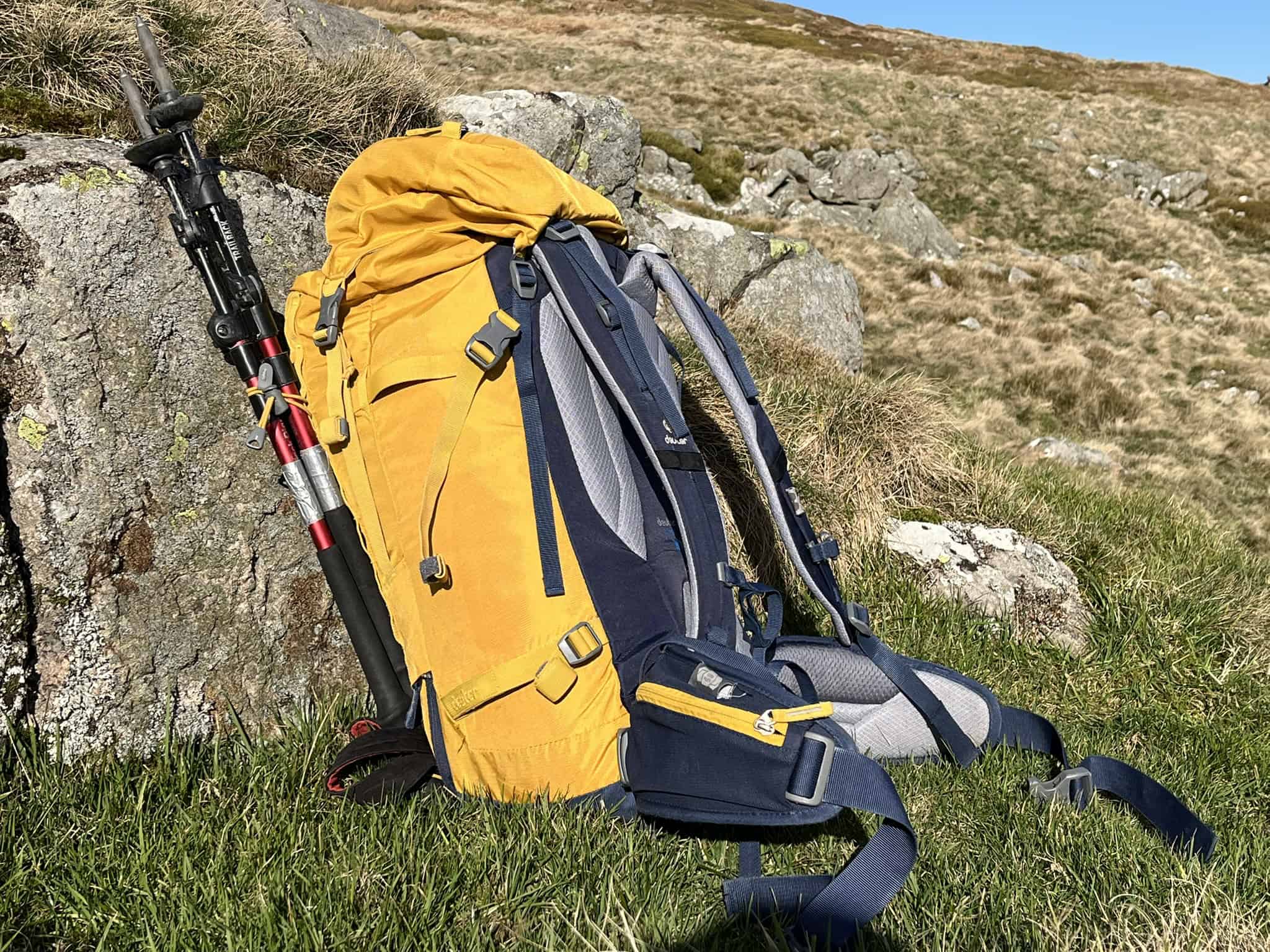
Good food systems and good camp systems have something in common: they work quietly in the background and leave you with more attention for the landscape itself.
How to Choose a Wild Camping Pitch
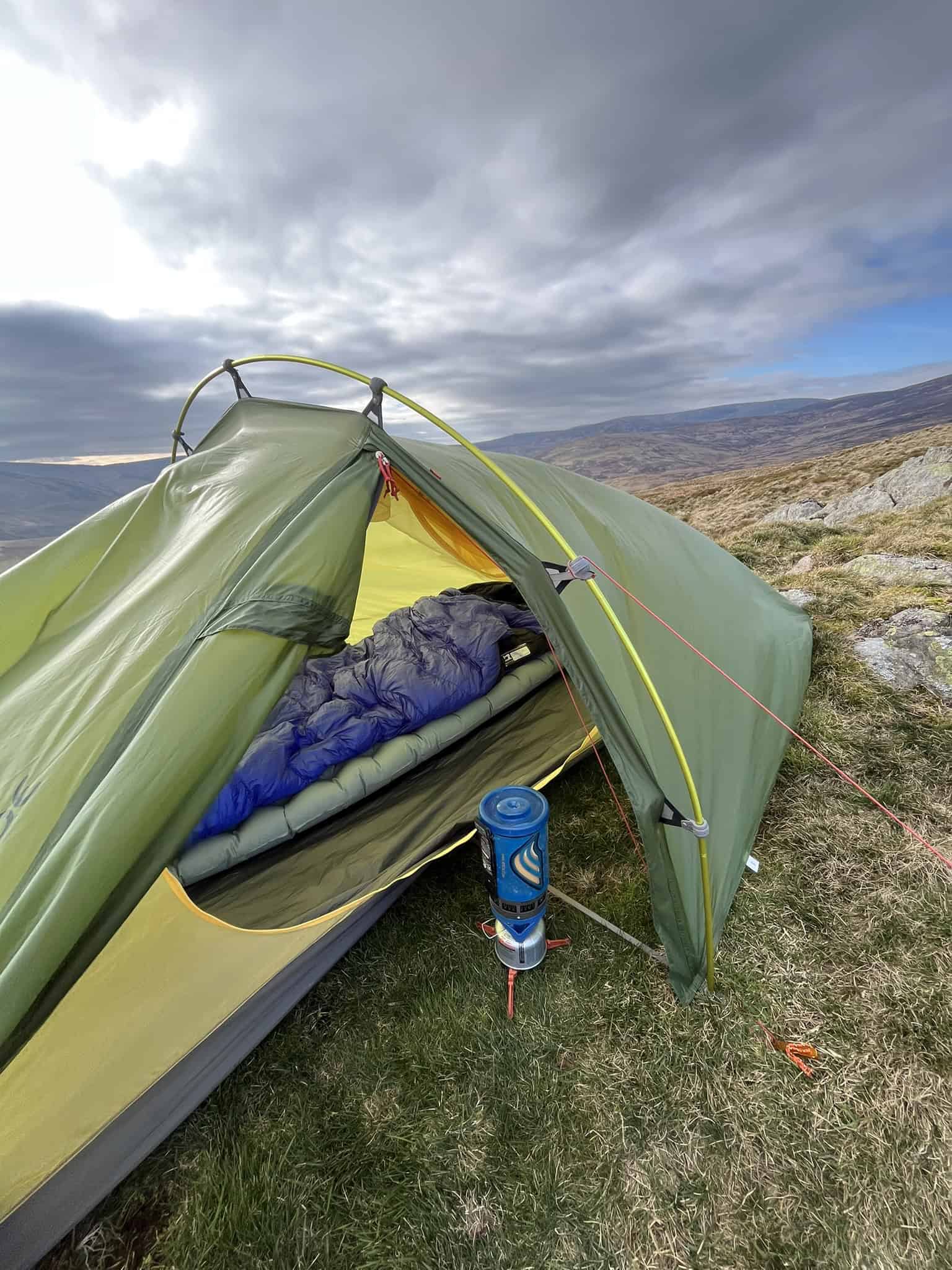
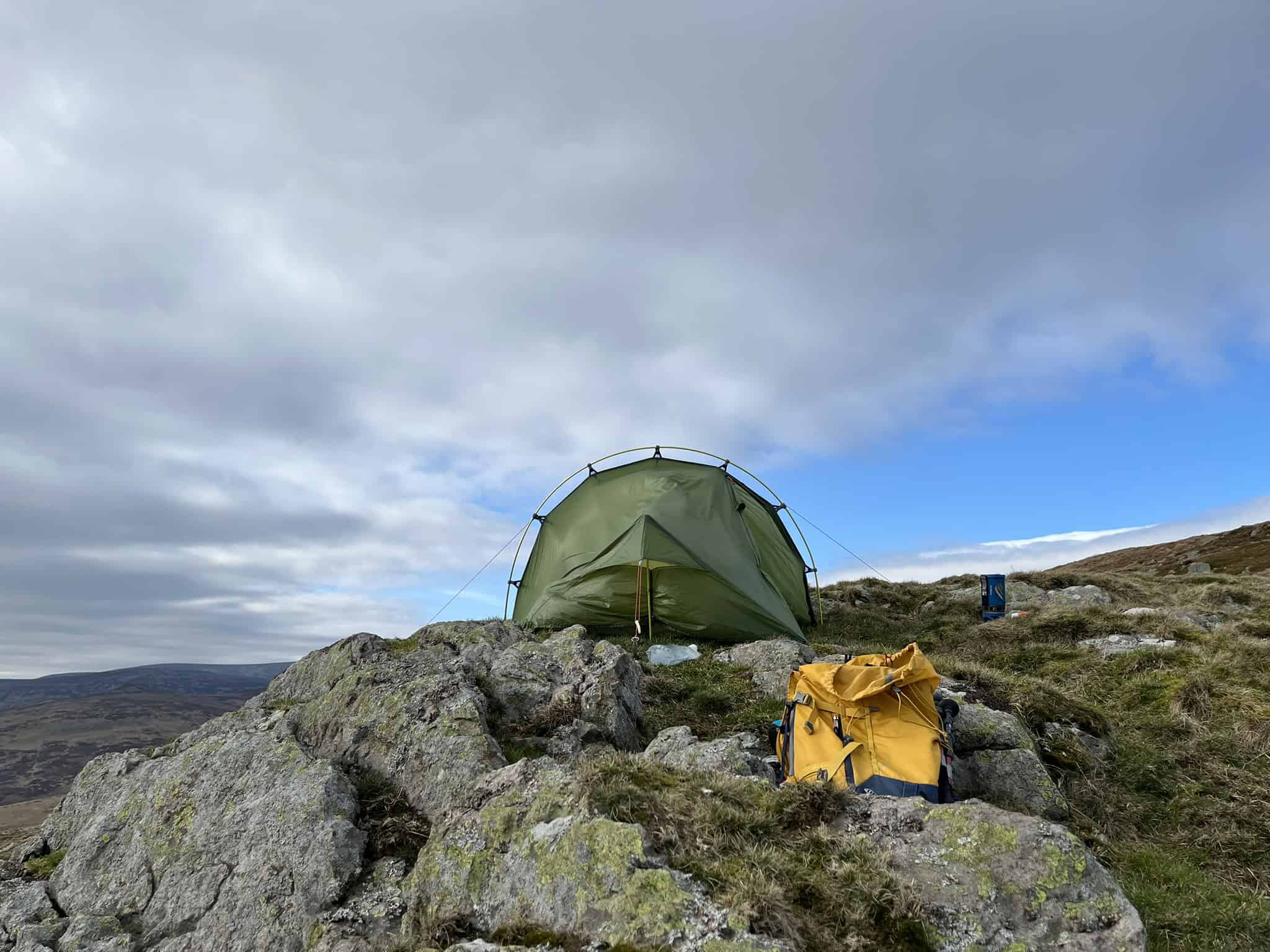
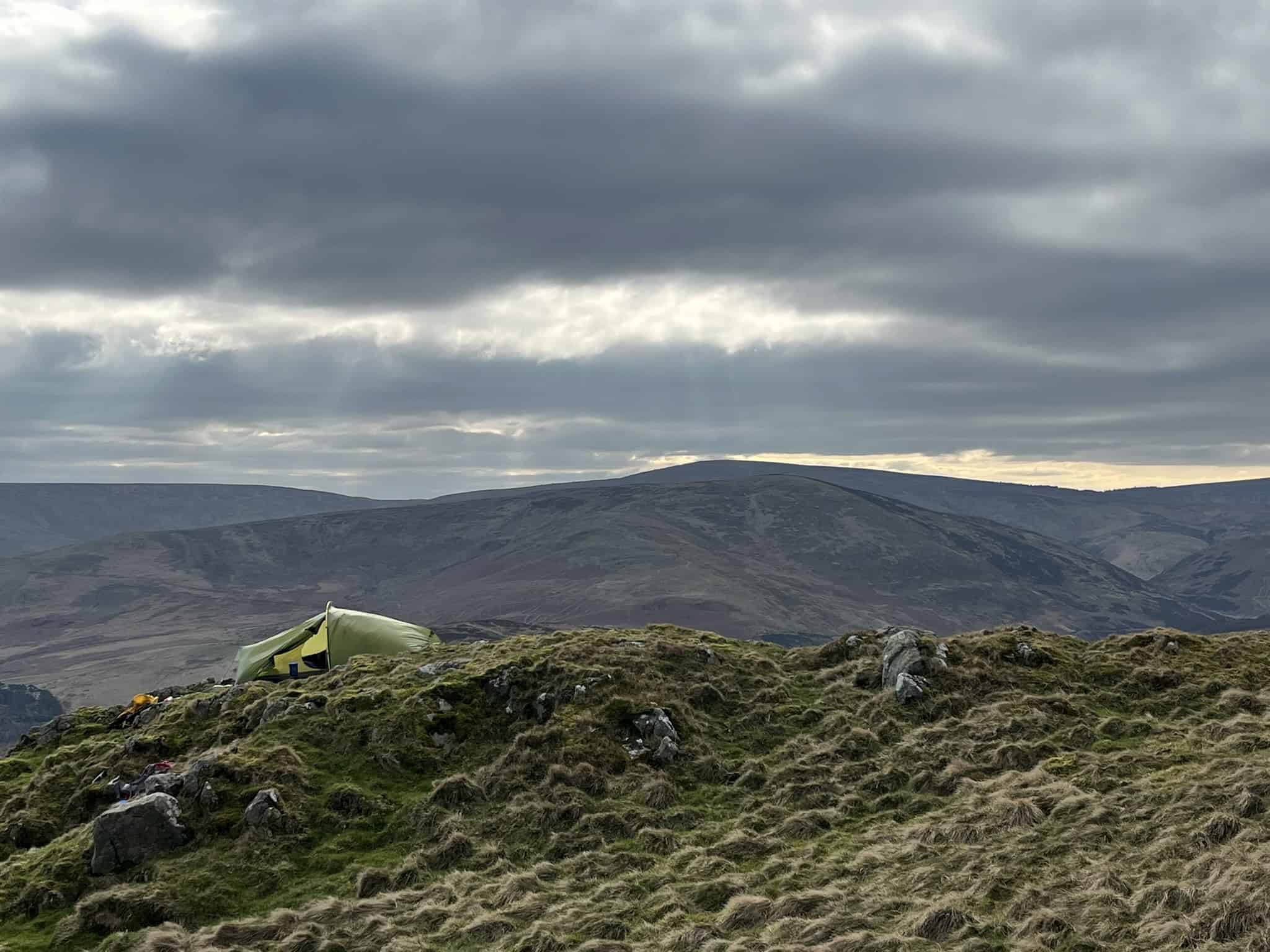
Choosing a pitch is one of the most important skills in wild camping. A good campsite is not simply flat ground with a good view. It needs to balance shelter, drainage, surface, exposure and discretion. Ground that is slightly less dramatic but more protected usually makes for a much better night.
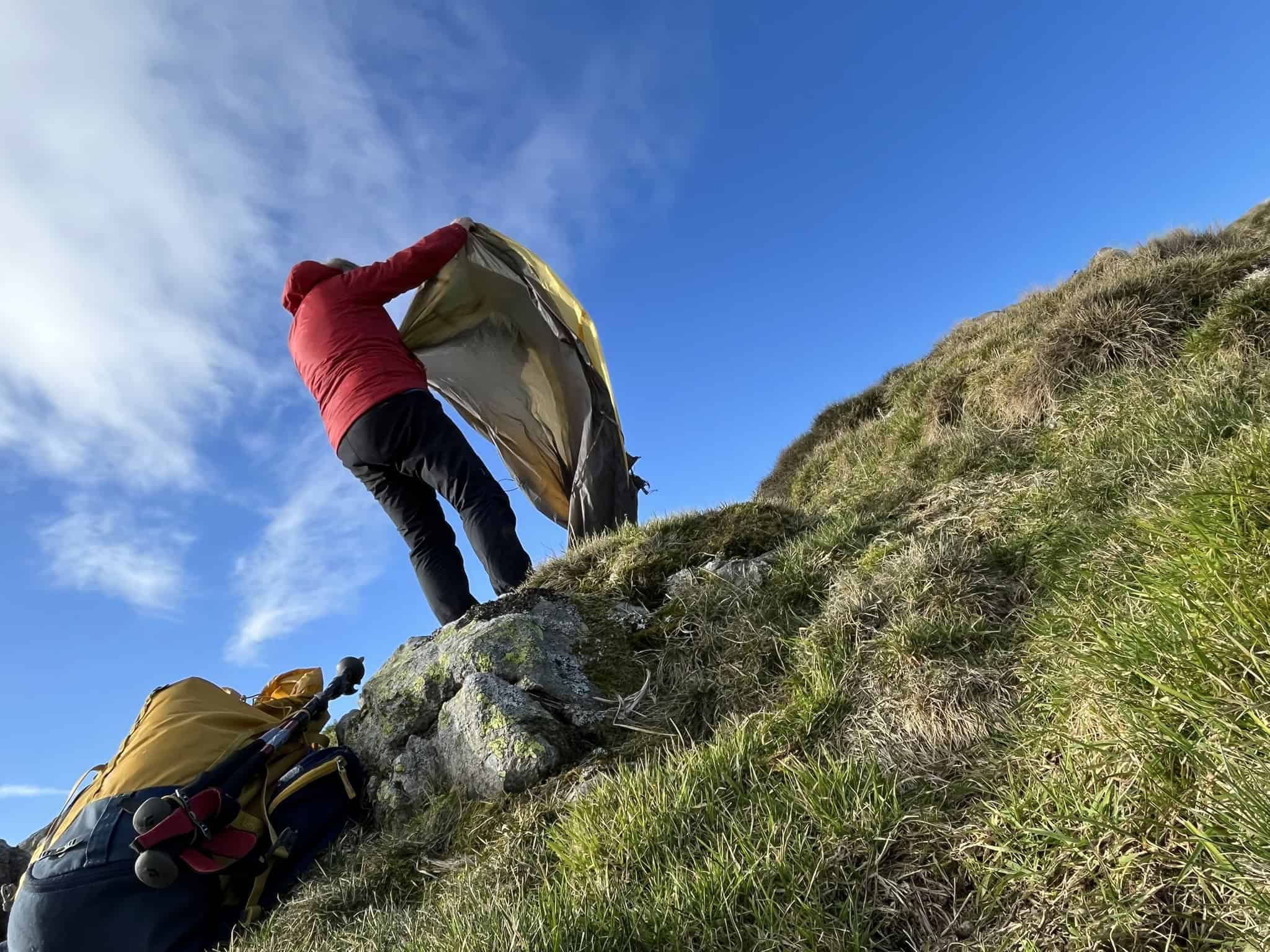
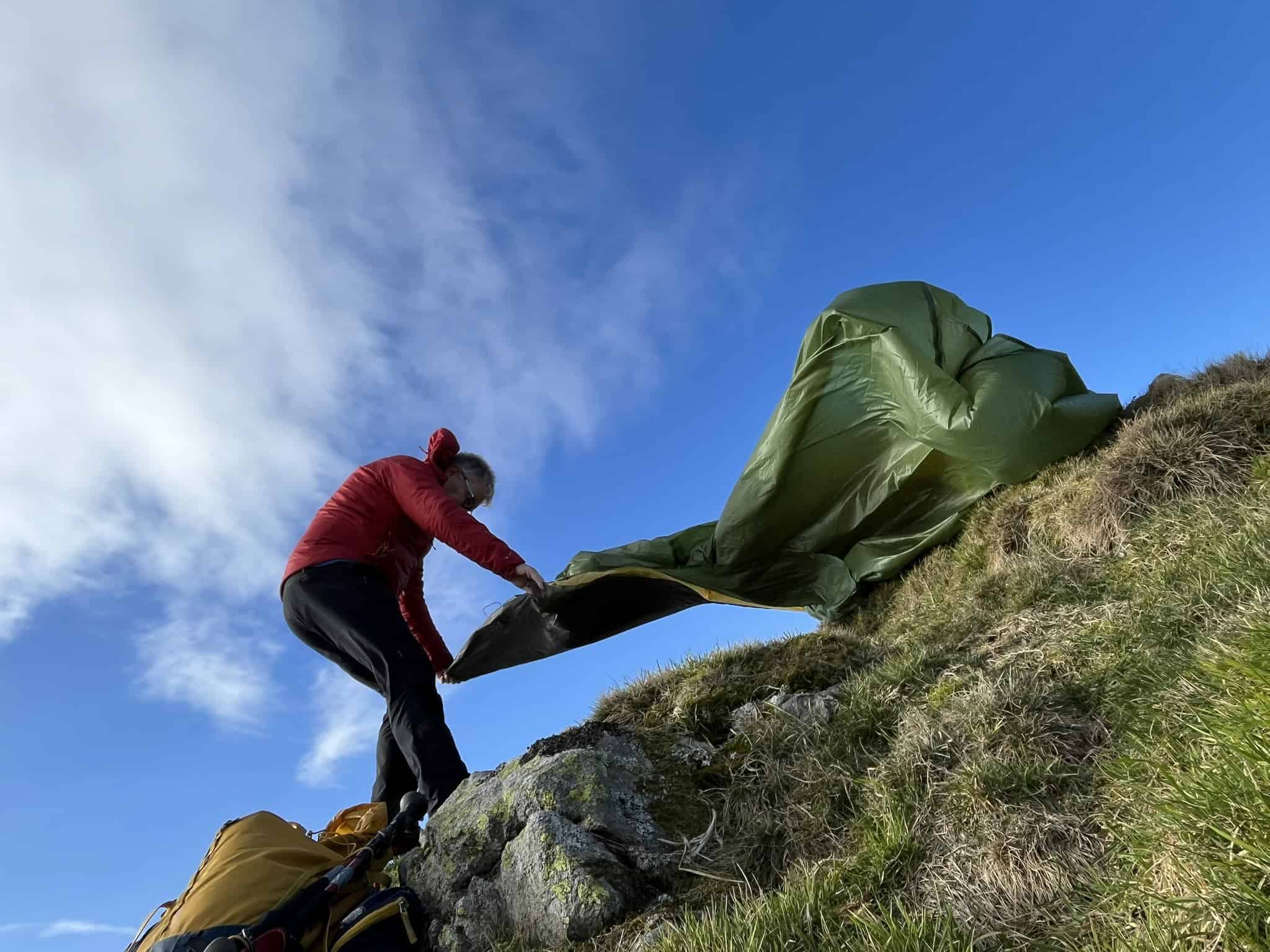
Look for short durable grass, gentle ground and enough natural shelter from the prevailing wind. Avoid watercourses, obvious hollows that may collect water, ridge crests that are too exposed and places close to roads, buildings or heavily used paths. If the first site feels doubtful, keep looking. Most uncomfortable nights start with accepting a poor pitch because it is convenient.
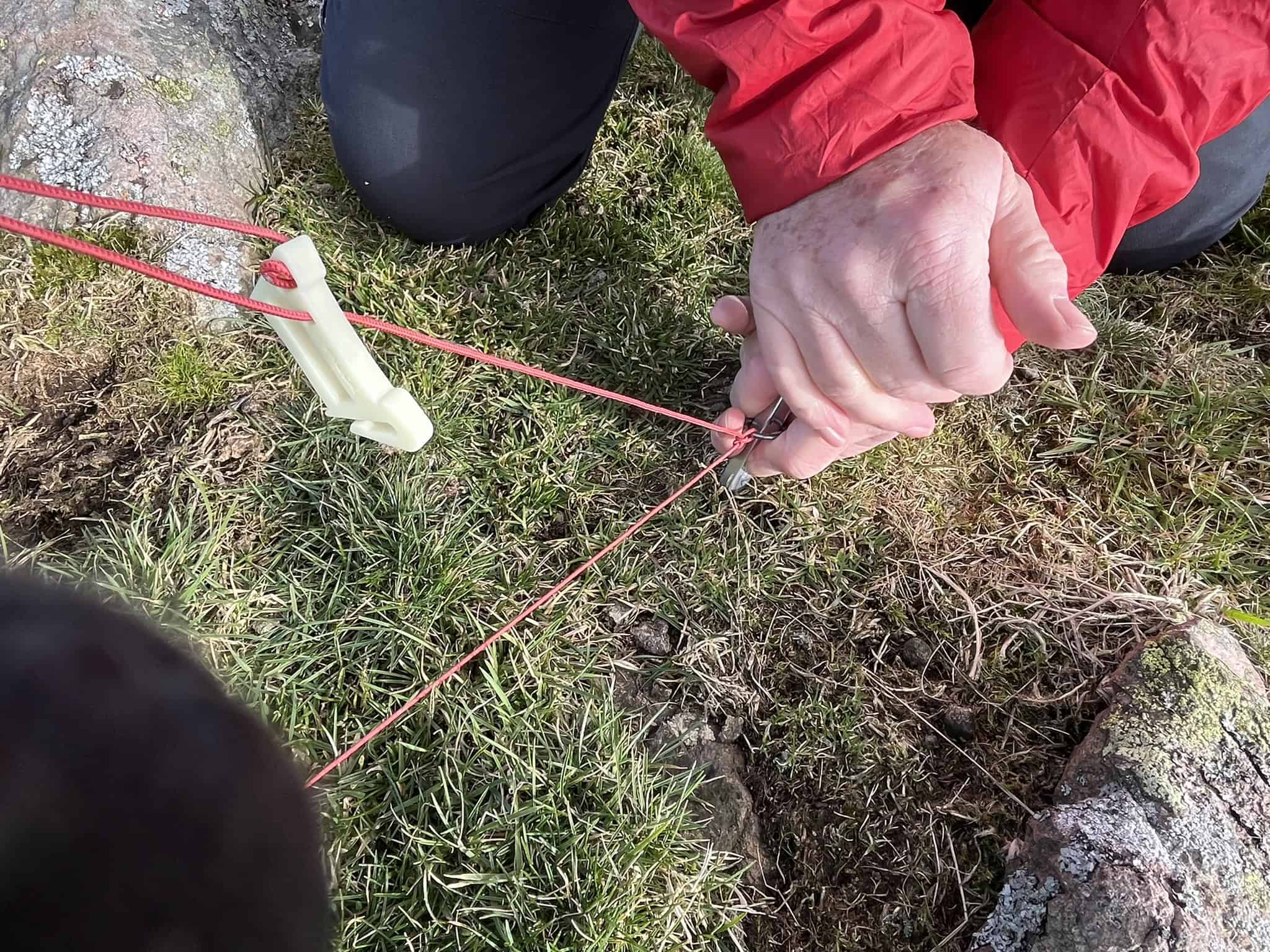
Arriving with enough daylight to assess more than one option is one of the simplest ways to improve both comfort and confidence.
Sleeping Systems for Mountain Backpacking
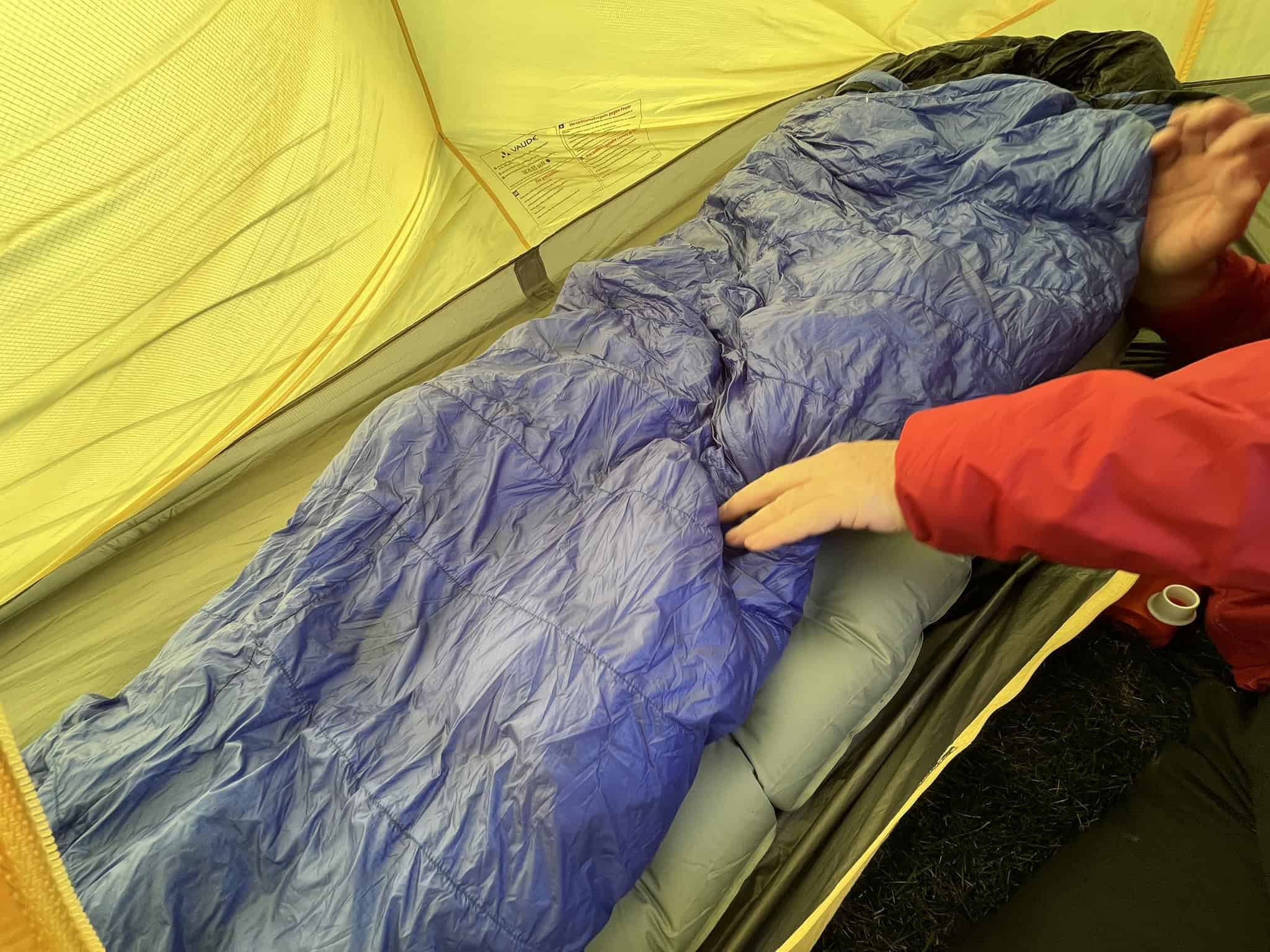
Sleep quality has a direct effect on the following day. Even in summer, upland temperatures can drop quickly overnight, and damp air or poor ground choice can make a camp feel colder than expected. A reliable sleep system usually combines three essentials: a well-pitched shelter, a mat with enough insulation from the ground and a sleeping bag suited to the conditions.
The mat is as important as the sleeping bag. Ground insulation makes a significant difference to warmth and comfort. Dry camp clothing helps too. So does a simple tent routine where the things you need are easy to reach and damp layers are kept under control.
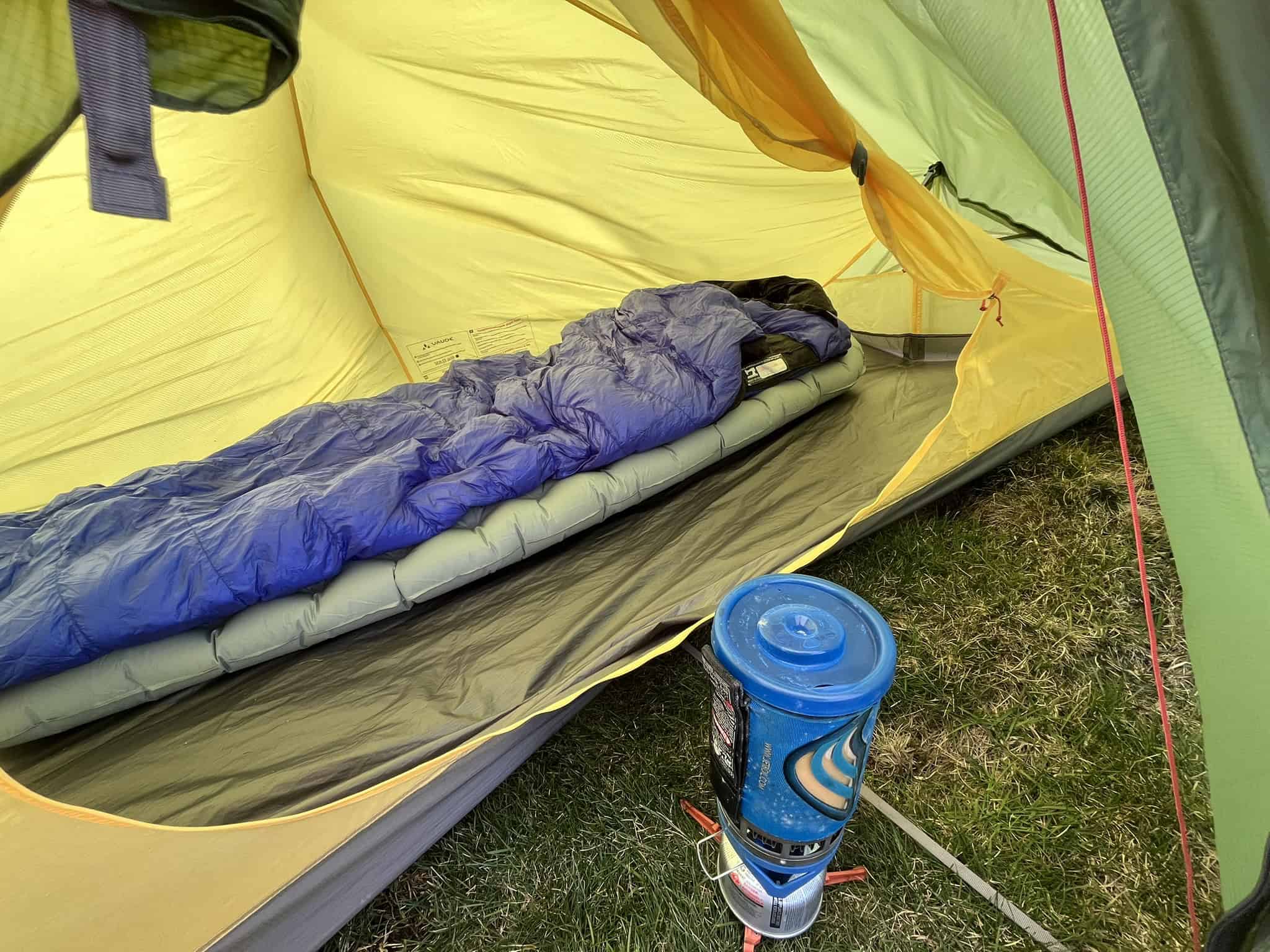
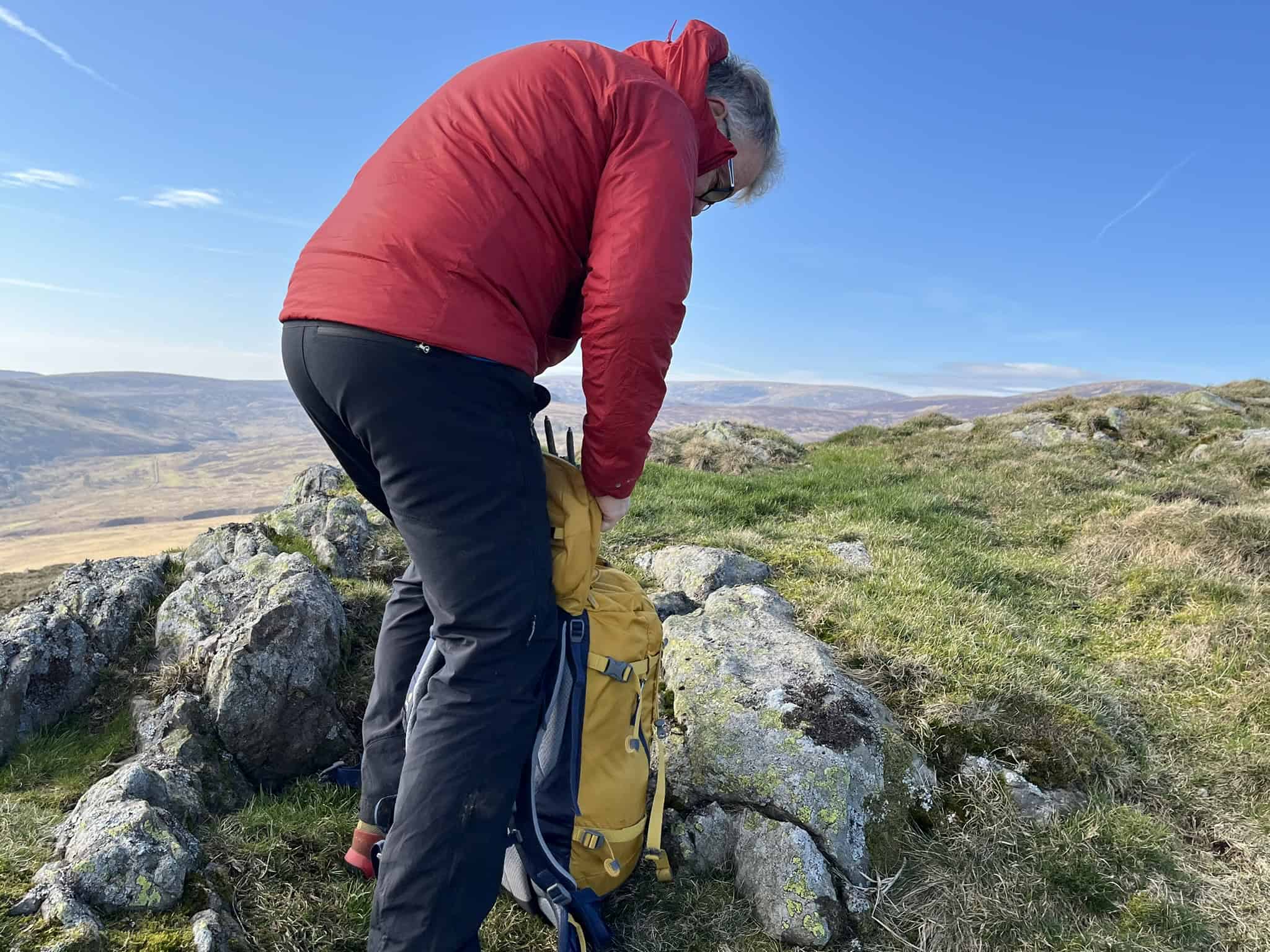
Most good nights in the hills come from small decisions made well: a decent pitch, dry layers, enough food, enough insulation and enough time left in the evening to get organised properly.
Weather, Judgement and Common Backpacking Mistakes
Wild camping is not mainly a gear challenge. It is a judgement challenge. Weather, terrain, visibility, pace, timing, fatigue and escape options all influence how sensible a plan really is. The right decision is often the one that keeps the trip manageable rather than ambitious.
New backpackers often make the same small group of mistakes. They carry too much. They plan too far. They leave campsite decisions too late. They overvalue dramatic camp locations and undervalue simple shelter. And they sometimes treat the forecast as fixed certainty rather than something to keep reassessing as the day develops.
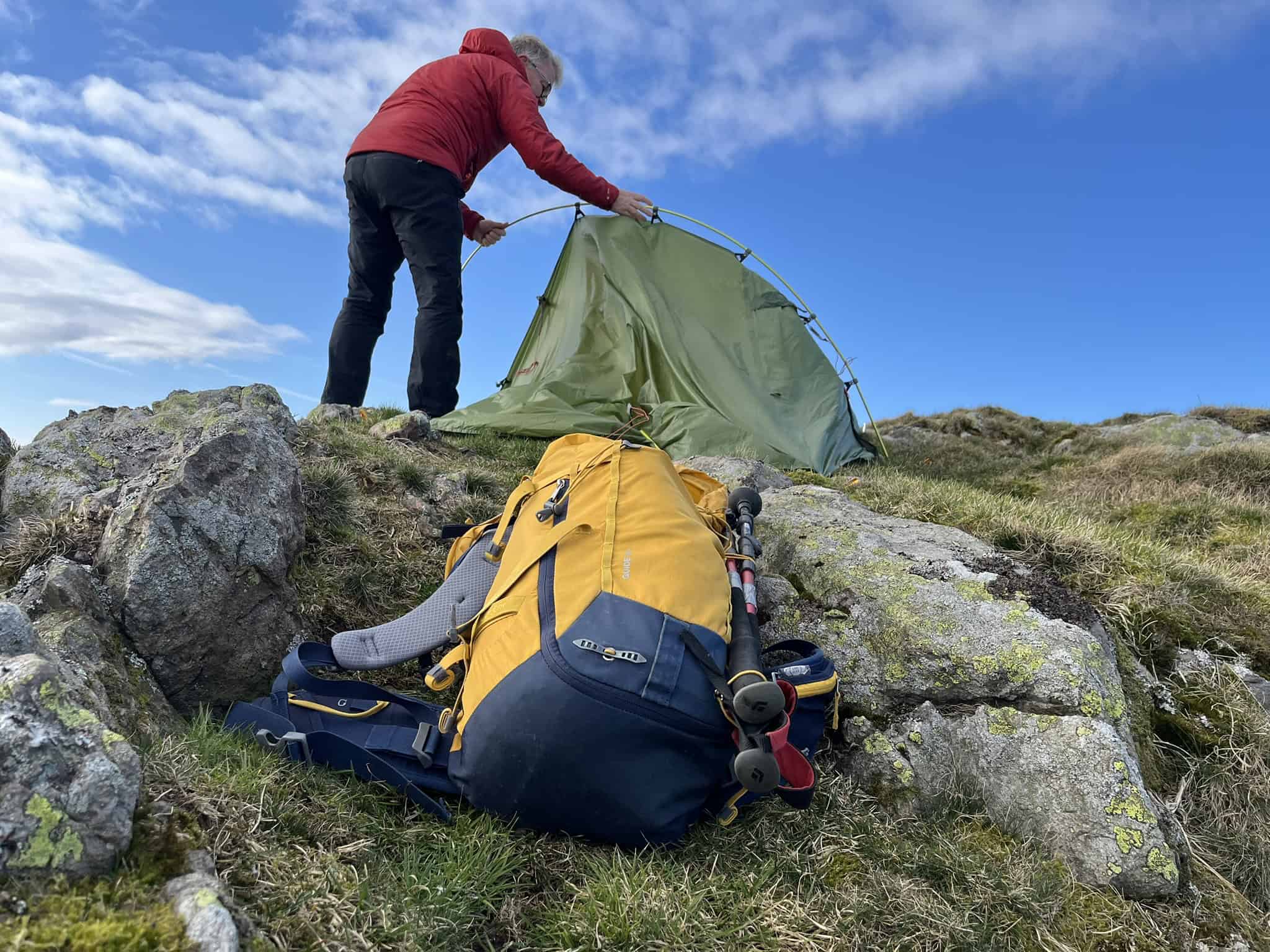
- Carrying too much gear and turning the walk into a load-carrying exercise.
- Leaving camp choice too late and accepting poor ground because the light is fading.
- Over-planning mileage and under-planning margin for weather or route changes.
- Choosing exposure and scenery over shelter and a genuinely restful night.
Leave No Trace Wild Camping
Responsible behaviour protects both the environment and the future of wild camping. The landscapes that make backpacking so rewarding are often fragile and slow to recover from careless impact. A poor campsite choice, litter, fire damage or bad hygiene can leave marks that last much longer than the night itself.
The principles are straightforward. Camp on durable ground. Stay away from roads, buildings and busy footpaths. Keep groups small. Avoid fires in upland settings. Pack out litter and food waste. Manage human waste responsibly and away from water sources. Leave the site looking as though nobody has been there.
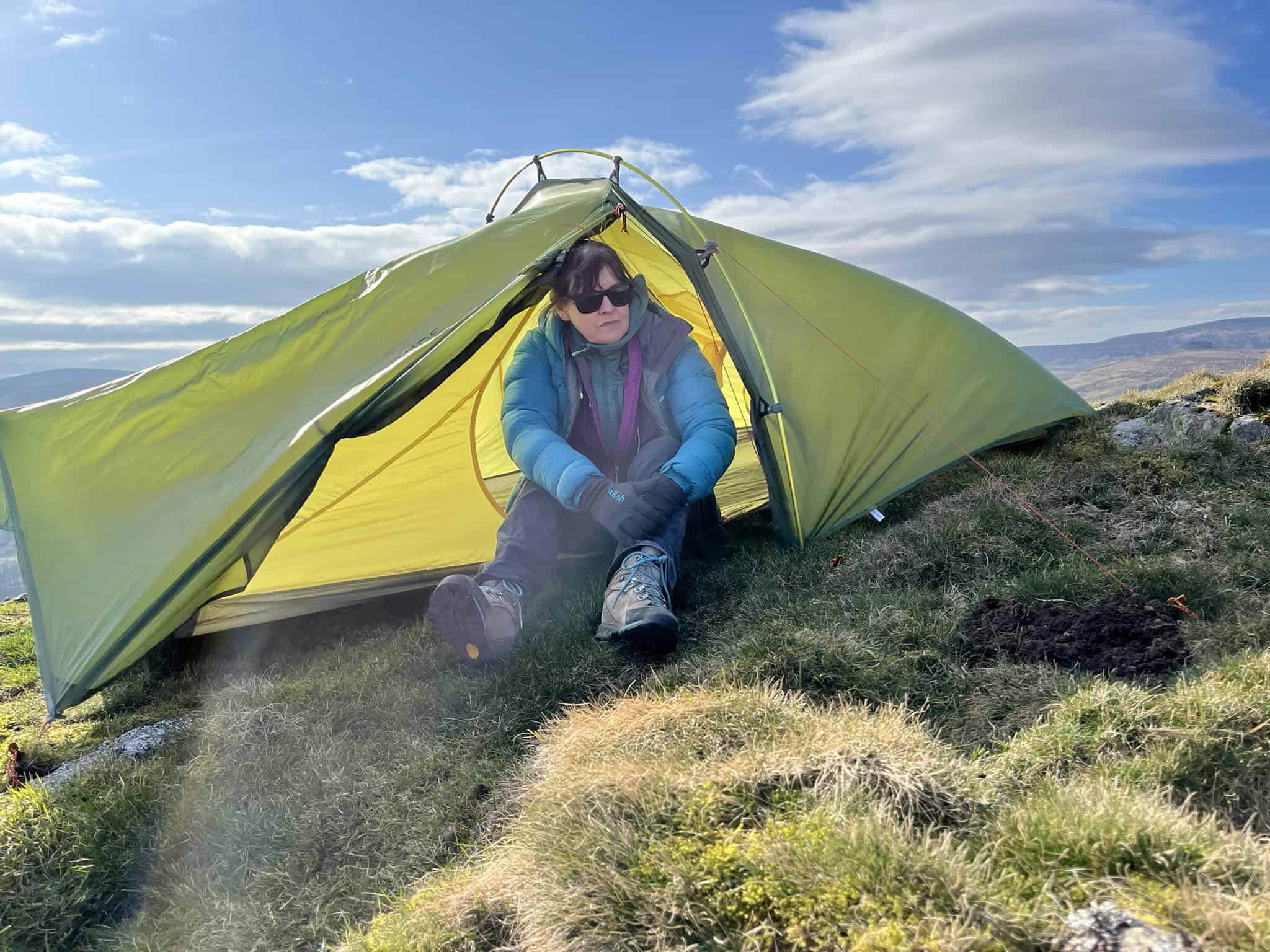
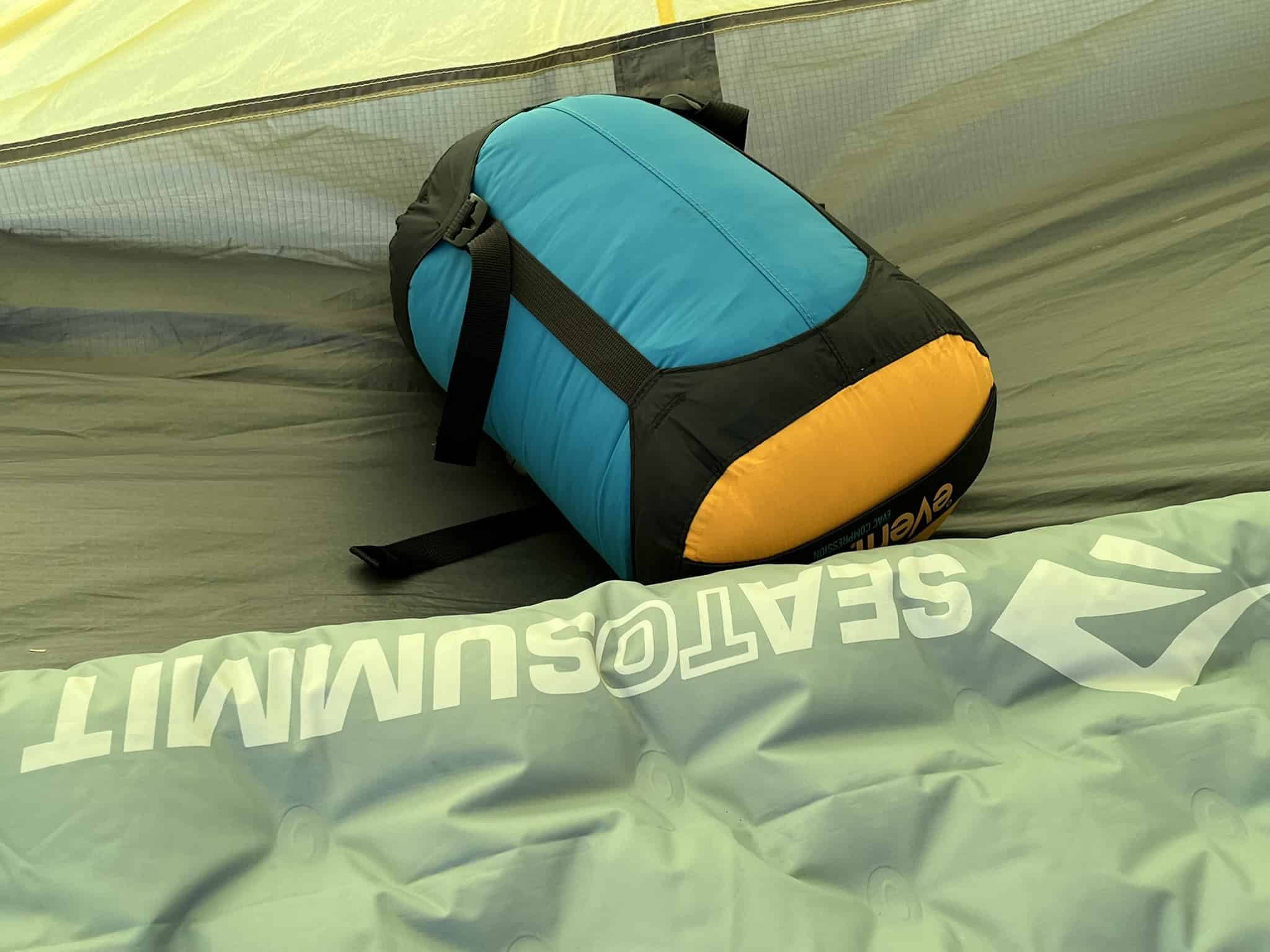
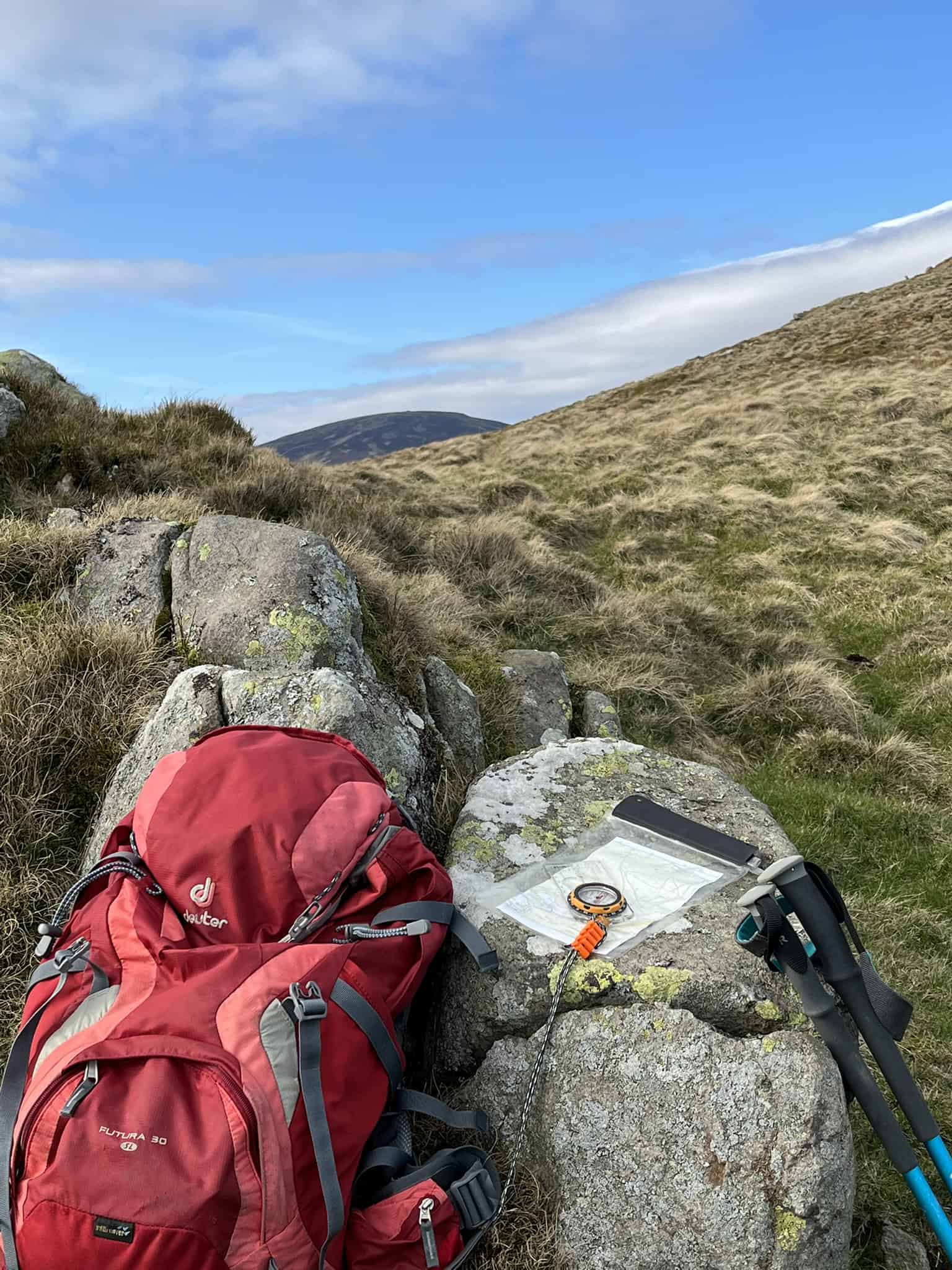
The best camps are often the ones that leave almost no sign behind. That is what keeps wild camping both practical and defensible in remote places.
Related guides
These sections of the journal are the most useful follow-ons from this guide.
Frequently Asked Questions About Wild Camping in the UK
Is wild camping legal in the UK?
Wild camping is broadly supported in Scotland when it is done responsibly under access legislation. In England and Wales the legal picture is more restricted, so discretion, low impact and good judgement are especially important.
What equipment do you need for wild camping?
Most backpacking systems include a lightweight shelter, sleeping bag, insulated mat, stove, food, waterproof clothing, navigation tools and a rucksack large enough to carry everything comfortably.
How far should you walk on a backpacking trip?
That depends on terrain, conditions and experience. Many trips feel better when the distance is modest enough to allow time for navigation, water collection, campsite choice and a relaxed evening routine.
Where are the best places to wild camp in the UK?
Remote upland landscapes such as the Scottish Highlands, Cairngorms, Lake District and parts of Eryri / Snowdonia are popular because they offer suitable terrain, space and strong mountain travel opportunities.
Final Thoughts on Wild Camping in the UK
Wild camping in the UK is at its best when it stays simple. A sound plan, a dependable camp system, a well-chosen pitch and calm mountain judgement usually matter more than distance, drama or complexity. That is true whether you are preparing for a first overnight or refining your approach after many trips.
What makes mountain backpacking so compelling is that it strips travel back to essentials. You carry what you need, move more thoughtfully and pay much closer attention to weather, terrain and your own decisions. The result is often a deeper and quieter experience of the hills than day walking alone can offer.
Wild camping in the UK offers one of the most immersive ways to explore the mountains and upland landscapes of Britain. With careful planning, reliable equipment and responsible behaviour it becomes a sustainable way to travel through some of the country’s most remarkable environments.
Explore more
Continue reading more practical articles from the Peak Adventures Journal.